High Noon in Chicago: The Sheriff as Hero
A Black Agenda Radio commentary by Glen Ford
"People in search of affordable housing are getting poorer
- and that was before The Crash."
When it takes a white, big city sheriff to stand for the
rights of renters, then we know the nation faces a profound political, as well
as economic, crisis. Cook County, Illinois, Sheriff Tom Dart, the lawman in
charge of foreclosure evictions in Chicago, played the role of Gary Cooper in
the 1953 movie, High Noon, when he stood up for residents facing
summarily being put out on the streets through no fault of their own. Sheriff
Dart's conscience would not allow him to continue enforcing rubber stamp
eviction orders expelling tenants, many of whom had never fallen behind in their
rent, or were even aware that their landlord had failed to pay his mortgage.
What makes the sheriff a hero of the Gary Cooper kind, is
that he and those who advocate for tenants rights in the current crisis stand
nearly alone. The national housing debate - what there is of it - focuses
almost exclusively on the plight of home owners. The millions of low and middle
income renters, who never agreed to take on a monthly bill they could not
afford, and who confront a rental market that is tighter and more expensive
every year, are treated as less worthy of compassion and protection. Many of
the families that are now being evicted from homes they purchased were renters
- and will become renters, again.
"The millions of low and middle income renters are treated
as less worthy of compassion and protection."
African Americans are disproportionately renters, and will
become more so as the housing bubble fizzles and the jobs picture worsens. In
Sheriff Dart's Cook County, 42 percent of the population are renters.
Fifty-eight percent of Blacks in the Chicago region rent their homes. In New
York City, only one-third of the eight million residents, and just 28 percent
of Blacks, are home owners. Housing is a rental issue in much of
urban America. Even before the bubble burst, relentless gentrification had
pushed inner city renters to the breaking point, and beyond. Majorities now pay
more than 35 percent of their income for rent - many pay more half their income
just to keep a roof over their heads.
The hyper-gentrification in New York has placed tens of
thousands of tenants at special risk. According to an October 6 article in the New
York Times, housing complexes containing 54,000 apartments in Harlem, the
South Bronx and Brooklyn face foreclosure because their speculating landlords
bet they could empty the buildings and bring in higher paying tenants. The
speculators took out huge mortgages on the properties, in anticipation of
higher incomes from new renters. But the tenants held onto their apartments,
and now the landlords may go bust. The landlords are, of course, victims of
their own greed, but what about the tenants? Who is going to keep up these
buildings, home to a population as large as a medium-sized city?
The United States has never even begun to achieve federal
goals in creating affordable housing - not in all the years since the Great
Depression ushered in a national housing policy. The numbers tell the tale:
demand for affordable rental housing is increasing, while the number of
available units decreases. People in search of affordable housing are getting
poorer - and that was before The Crash. There can be no solution to the housing
crisis, unless affordable rental housing is part of the equation.
For Black Agenda Radio, I'm Glen Ford.
Broadcasters and others desiring a downloadable copy of this BA Radio commentary can find it on our archive page.
BAR executive editor Glen Ford can be contacted
at Glen.Ford@BlackAgendaReport.com.

 The Neighbor Program is a "Pan-African Socialist Organization committed to serving the people & loving our neighbor." Founder Jordan MacGowan speaks to Roberto Sirvent.
 This week’s featured authors are Alyosha Goldstein and Simón Ventura Trujillo. Goldstein is Professor of American Studies at the University of New Mexico. Trujillo is Assistant Professor in the…
 The ongoing conflict in Ethiopia's Tigray region has been fueled by support from the United States. It is yet another proxy war which has brough great suffering to thousands of people.
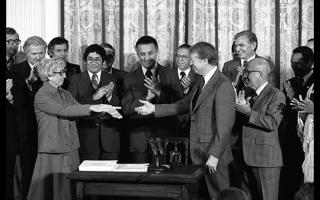 Had it been fully implemented the Hawkins-Humphrey full employment bill would have been a boon to U.S. workers. Any talk of reviving it is now moot, as the industrial economy of the 1970s has been…
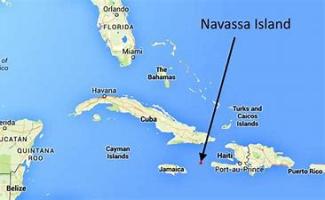 The U.S. mined a million tons of guano on a Haitian island without paying a cent to the Haitian authorities. Other countries have sold the product for hundreds of millions of dollars.



