Juan Guaido's "interim presidency" of Venezuela has come to an end, as opposition parties chose to end the U.S. backed arrangement. They hope to unify behind one candidate in next year's…
John Parker
, Margaret Kimberley
, BAR editor and senior columnist
, Black Agenda Radio with Margaret Kimberley
John Parker is coordinator of the Harriet Tubman Center for Social Justice in Los Angeles and a leading member of the Socialist Unity Party. He is also a member of the Black Alliance for Peace who…
Black Agenda Radio
, Black Agenda Radio with Margaret Kimberley
The latest in Mumia Abu Jamal's defense, the UN Permanent Forum on People of African Descent and its connection to the Durban conference, and a new book “Sanctions: A Wrecking Ball in a Global…
Black Agenda Radio
, Black Agenda Radio with Margaret Kimberley
Johanna Fernandez is an Associate Professor of history at Baruch College, and a longtime advocate for political prisoner Mumia Abu Jamal. She joins us from New York City to discuss the loss of his…
Black Agenda Radio
, Black Agenda Radio with Margaret Kimberley
Efia Nwangaza discusses her participation in the first session of the UN Permanent Forum on People of African Descent, a mechanism that emerged from the 2001 Durban world conference against racism.

 Juan Guaido's "interim presidency" of Venezuela has come to an end, as opposition parties chose to end the U.S. backed arrangement. They hope to unify behind one candidate in next year's…
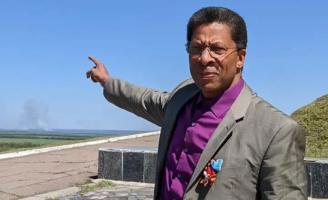 John Parker is coordinator of the Harriet Tubman Center for Social Justice in Los Angeles and a leading member of the Socialist Unity Party. He is also a member of the Black Alliance for Peace who…
 The latest in Mumia Abu Jamal's defense, the UN Permanent Forum on People of African Descent and its connection to the Durban conference, and a new book “Sanctions: A Wrecking Ball in a Global…
 Johanna Fernandez is an Associate Professor of history at Baruch College, and a longtime advocate for political prisoner Mumia Abu Jamal. She joins us from New York City to discuss the loss of his…
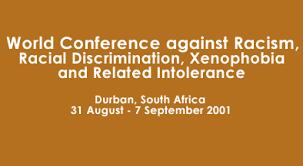 Efia Nwangaza discusses her participation in the first session of the UN Permanent Forum on People of African Descent, a mechanism that emerged from the 2001 Durban world conference against racism.


