The “Whitening” of Black Colleges
 Court decisions combined with state and federal policies have led to the “whitening” of HBCUs – Historically Black Colleges and Universities – including Delaware State University, where Dr. Jahi Issa taught until his arrest at a student demonstration in 2012. “We’re looking at over two decades of strategic removal of African American faculty and students,” said Issa, whose multi-part articles titled “How Black Colleges are Turning White: The Ethnic Cleansing of HBCUs in the Age of Obama” are published in Black Agenda Report. This trend, along with falling Black enrollment in historically white institutions and assaults on African American Studies programs, poses an existential threat to Black higher education in the United States. HBCUs will likely continue to exist, but “there just probably won’t be too many Black people there,” said Issa.
Reparations “Enforcement” is Key
In recent decades, the struggle for reparations for Africans and their descendants has moved from simple advocacy to “a mode of activism called reparations enforcement,” in which Blacks in various localities target businesses and institutions that have profited from slavery and Jim Crow and present bills for the criminal damages that have been inflicted on Black people, said Kamm Howard, of NCOBRA, the National Coalition of Blacks for Reparations in America. The reparations movement needs a revolutionary language that speaks in terms of criminal acts historically committed against Blacks – acts for which there is no statute of limitations, said Howard, speaking at a Black Is Back Coalition teach-in at Howard University, in Washington.
Defining and Defending U.S. Political Prisoners
The scores of political activists still languishing in prison are testament to U.S. violation of international law and treaties prohibiting racial discrimination, said Efia Nwangaza, of the Malcolm X Center for Self-Determination, in Greenville, South Carolina. Nwanga has just returned from a United Nations forum in Geneva, Switzerland, at which the U.S. claimed, as always, that it holds no political prisoners. Since the term “political prisoners” is also not part of UN terminology, Nwangaza’s Malcolm X Center and the Jericho Movement speak, instead, on behalf of “Cointelpro and civil rights era political activists and human rights defenders.” In arguing before the UN, Nwangaza maintains that “the focus of Cointelpro” – the FBI’s campaign to neutralize political dissidents – “had a significant racial component and, as a result, a significant impact on the Black liberation struggle.”
Black Agenda Radio on the Progressive Radio Network is hosted by Glen Ford and Nellie Bailey. A new edition of the program airs every Monday at 11:00am ET on PRN. Length: One hour. Click here to download the show.

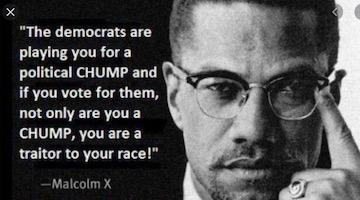 This week colonial genocides, white supremacy, and the Democratic Party’s role were on your minds.
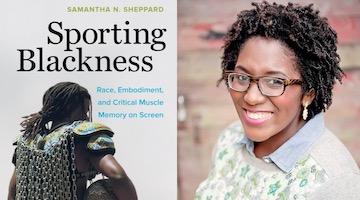 Black memory is a muscle trained, flexed, and disciplined by colonialism, enslavement, and racial terror, as well as collective Black struggle.
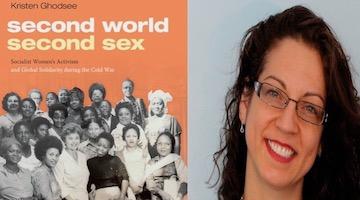 Socialist ideas about the inextricable links between class, race, and gender predate the concept of intersectionality.
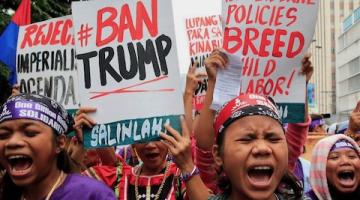 The struggle against systemic racism and the police state in the US is integral and linked to the struggle against US wars of aggression overseas.
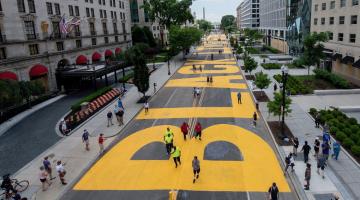 Community control of police and prison abolition have been completely removed from the conversations dictated by a mainstream and complacent narrative.



