A Black Agenda Radio commentary by executive editor Glen Ford
There is as yet no legal barrier to wholesale deployment of mercenary soldiers to U.S. cities. Such forces occupied New Orleans in 2005, two years before Blackwater troops massacred Iraqi civilians in Baghdad’s Nisoor Square. Could Times Square be next?
Coming to America: Mercenary Justice
A Black Agenda Radio commentary by executive editor Glen Ford
“As long as the United States is allowed to act with imperial impunity on the world stage, its uniformed and civilian armed forces will recognize no limitations on their behavior.”
The trial of four Blackwater mercenaries
Two years before the atrocity in Baghdad, Blackwater descended on New Orleans in force in the wake of the 2005 hurricane, setting up a downtown headquarters and deploying its troops in full battle gear The Nation magazine, said Blackwater troops told him that in addition to having been authorized to use lethal force, they were also empowered to arrest citizens
At least five mercenary companies patrolled New Orleans under contract with Homeland Security, including an outfit of Israeli ex-special forces troops under a company named Instinctive Shooting International. Civil liberties activists warned at the time that placing an American city under mercenary occupation is illegal, but neither President Bush nor Barack Obama nor the Congress or the courts have clarified the question of mercenary deployment. Therefore, it is all but inevitable that legions of hired killers and “instinctive shooters” from around the world will again be sent to U.S. cities, with consequences that will rival the carnage at Nisoor Square, in Baghdad.
The Long Mercenary Legacy
Mercenaries have a long history in the United States. The granddaddy of them all, the Pinkerton National Detective Agency Katrina occupation
However, we must be clear that the driving force behind the explosive growth of killer corporations is the U.S. military, which trains the assassins and sends them on missions of murder around the globe, and later hires them at fantastic salaries through mercenary corporations, which in turn become indispensable to the U.S. war machine. As long as the United States is allowed to act with imperial impunity on the world stage, its uniformed and civilian armed forces will recognize no laws, no limitations on their behavior. Private soldiers and mercenary corporations are only reflections of the government that gave them birth.
For Black Agenda Radio, I’m Glen Ford. Go to BlackAgendaReport.com to sign up for email notification when we put out a new issue, each Wednesday.
BAR executive editor Glen Ford can be contacted at Glen.Ford@BlackAgendaReport.com .

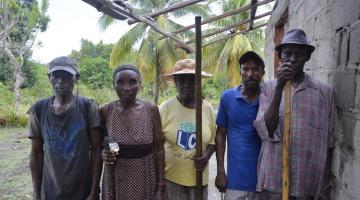 The author unpacks the tired trope of “poor rich Haiti,” highlighting the role of foreign capital and local elites in the destruction of life in the countryside.
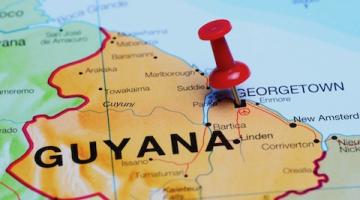 Guyana’s historically oppressed peoples direct their hostility at each other while neo-imperial powers hide in plain sight and reap the country’s wealth.
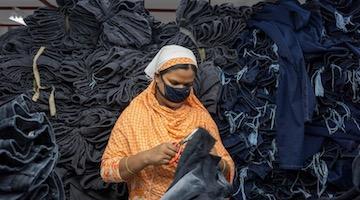 When the Covid-19 pandemic cut into corporate profits, the fashion industry simply stole billions from some of the world’s most exploited workers.
 "As long as the virus continues to circulate anywhere, people will continue to die, trade and travel will continue to be disrupted, and the economic recovery will be further delayed."
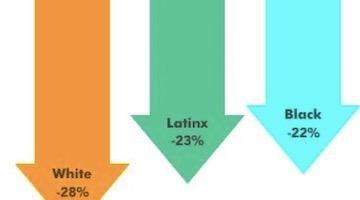 The pandemic forced many police departments, courts and jails to take steps that reformers had been demanding for decades.



