A Black Agenda Radio commentary by executive editor Glen Ford
It’s taken 12 years, but victims of South African apartheid finally convinced a U.S. federal judge to hear their case against IBM and Ford Motor. The plaintiffs say the two multinationals sold the white regime the products it needed to torture and oppress the Black majority – and that the companies intended their vehicles and computers be used for that purpose.
Ford and IBM May Have to Answer for Their Role in Apartheid
A Black Agenda Radio commentary by executive editor Glen Ford
“The judge rejected Ford and IBM’s contention that multinational corporations are legally shielded from these kinds of lawsuits.”
The United States court system, whose value to anyone but the rich is rapidly disappearing, may yet play a role in the unfinished business of South African liberation. A federal district judge in Manhattan ruled that a group of South Africans can proceed with a suit against Ford Motor Company and IBM
That’s a very high burden of proof. However, it’s a better shot than the U.S. Supreme Court gave to a group of Nigerian refugees who tried to sue Shell Oil for helping the Nigerian military to systematically torture and kill environmentalists in the 1990s. The High Court’s interpretation of the relevant U.S. law was that the crimes committed in Nigeria didn’t have a close enough connection
This week, federal judge Shira Scheindlin – the same judge who issued the sweeping ruling against New York City’s stop-and-frisk policies, last year – gave the South African plaintiffs permission to make their case. She also rejected Ford and IBM’s contention that multinational corporations are legally shielded from these kinds of lawsuits. Judge Scheindlin found no basis in law to argue that international laws against such things as genocide, slavery, war crimes and piracy “apply only to natural persons and not to corporations.”
“The South African government failed to prosecute perpetrators from the old regime and paid out only paltry reparations to the victims.”
The South African plaintiffs are part of the Khulumani Group who wrote
Thanks to the Khulumani Group’s lawsuit in Manhattan, two U.S.-based multinational corporations may finally have to explain why they gave aid and comfort to South African apartheid.
For Black Agenda Radio, I’m Glen Ford. On the web, go to BlackAgendaReport.com.
BAR executive editor Glen Ford can be contacted at Glen.Ford@BlackAgendaReport.com .

 The Democrats claim to “resist” and oppose Trump, but they are once again planning to give him all the money he wants for war.
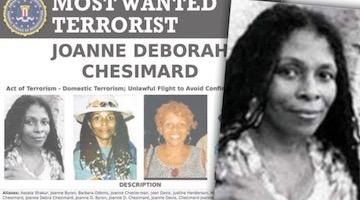 The US long war on the Black liberation movement is far from over.
 Judi Rever risked her life to write the true story of the Rwandan Genocide.
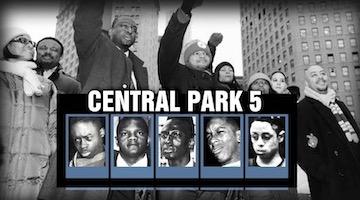 This week we discuss the internal colony theory, Hollywood’s portrayal of the Central Park Five, and continue the discussion on the future of Black Lives Matter. We share letters about “
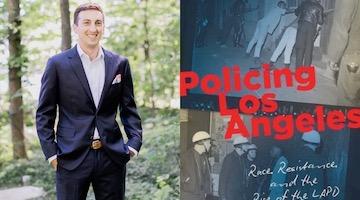 Liberal reforms continue to fail to make the police more accountable. “LAPD officials helped create the ‘wars’ it fought to assert their authority.”



