A Black Agenda Radio commentary by Glen Ford
Crime has been going down for nearly a generation, and the states have finally put the brakes on prison growth in response to the fiscal crunch. But Wall Street prison profiteers see the crisis as an opportunity. The Corrections Corporation of America has offered to buy nearly all the nation’s state prisons. “To ensure their profitability, the corporation insists that it be guaranteed that the prisons be kept at least 90 percent full.”
Private Prison Corporations Are Slave Traders
A Black Agenda Radio commentary by Glen Ford
“The Corrections Corporation of America believes the economic crisis has created an historic opportunity to become the landlord, as well as the manager, of a big chunk of the American prison gulag.”
The nation’s largest private prison company, the Corrections Corporation of America, is on a buying spree. With a war chest of $250 million, the corporation, which is listed on the New York Stock Exchange buy their prisons
For the last two years, the number of inmates held in state prisons has declined slightly, largely because the states are short on money. Crime, of course, has declined dramatically in the last 20 years, but that has never dampened the states’ appetites for warehousing ever more Black and brown bodies, and the federal prison system is still growing. However, the Corrections Corporation of America believes the economic crisis has created an historic opportunity to become the landlord, as well as the manager, of a big chunk of the American prison gulag.
The attempted prison grab is also defensive in nature. If private companies can gain both ownership and management of enough prisons, they can set the prices without open-bid competition for prison services, creating a guaranteed cost-plus monopoly like that which exists between the Pentagon and the military-industrial complex.
“If private companies are allowed to own the deeds to prisons, they are a big step closer to owning the people inside them.”
But, for a better analogy, we must go back to the American slave system, a thoroughly capitalist enterprise that reduced human beings to units of labor and sale. The Corrections Corporation of America’s filings with the U.S. Securities and Exchange Commission read very much like the documents of a slave-trader. Investors are warned that profits would go down if the demand for prisoners declines. That is, if the world’s largest police state shrinks, so does the corporate bottom line. Dangers to profitability include “relaxation of enforcement efforts, leniency in conviction or parole standards and sentencing practices or through the decriminalization of certain activities that are currently proscribed by our criminal laws." The corporation spells it out: “any changes with respect to drugs and controlled substances or illegal immigration could affect the number of persons arrested, convicted, and sentenced, thereby potentially reducing demand for correctional facilities to house them." At the Corrections Corporation of America, human freedom is a dirty word.
But, there is something even more horrifying than the moral turpitude of the prison capitalists. If private companies are allowed to own the deeds to prisons, they are a big step closer to owning the people inside them. Many of the same politicians that created the system of mass Black incarceration over the past 40 years, would gladly hand over to private parties all responsibility for the human rights of inmates. The question of inmates' rights is hardly raised in the debate over prison privatization. This is a dialogue steeped in slavery and racial oppression. Just as the old slave markets were abolished, so must the Black American Gulag be dismantled – with no compensation to those who traffic in human beings.
For Black Agenda Radio, I'm Glen Ford. On the web, go to BlackAgendaReport.com.
BAR executive editor Glen Ford can be contacted at Glen.Ford@BlackAgendaReport.com .

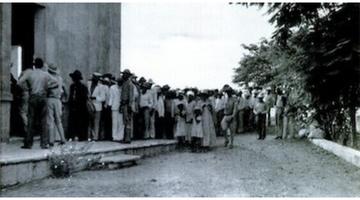 “Between October 2 and October 8, 1937, between 15,000 and 40,000 Haitians and Black Dominicans were slaughtered by Dominican troops…”
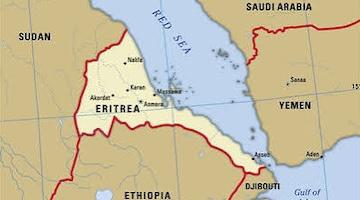 Ethiopia and Eritrea are on the brink of a war that could further destabilize the Red Sea, disrupt oil tanker traffic, and drive gas prices even higher.
 The UN's renewal of the Gang Suppression Force mandate is part of a wider hemispheric project to reassert military control across the Americas. Caribbean leaders cannot claim to support a Zone of…
 The Islamic Revolutionary Guard Corps (IRGC) has issued a letter addressed to the American people, outlining its views on recent developments and Iran-U.S. relations.
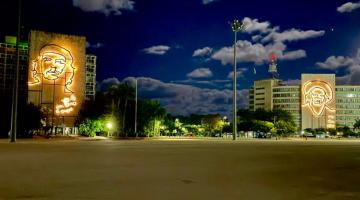 The Trump administration's new sanctions on Cuba, are part of a dual strategy to create unendurable hardship while simultaneously making Cuba financially dependent on the United States.


