A Black Agenda Radio Commentary by BAR managing editor Bruce A. Dixon
In the spirit of those brave and selfless Georgia prisoners who stood up for their human rights last December, formerly incarcerated people from across the country convened their own first national meeting in Alabama last week. The next is scheduled for November in Los Angeles. They stand for the full restoration of civil and human rights, and the rollback of the nation's policy of mass incarceration.
First National Conference of Formerly Incarcerated Persons Convenes In Alabama
A Black Agenda Radio Commentary by BAR managing editor Bruce A. Dixon
Many have declared that the real Freedom Movement of the 21st century will be a broad civic mobilization to confront the prison state and the policies of mass incarceration it inflicts upon the black, the brown and the poor. If so, the clearest sign that such a movement is truly underway is the awakening and self-organization of the formerly incarcerated.
Last week, The Ordinary Peoples Society of Alabama hosted the first national gathering of the Formerly Incarcerated & Convicted Peoples Movement. The three day meeting was attended by ex-prisoners from all 50 states and included formerly incarcerated leaders from dozens of groups from round the country, including co-conveners All of Us or None (CA), Women on the Rise Telling Her Story (NY), National Exhoodus Council (PA), A New Way of Life (CA), Direct Action for Rights and Equality (RI) and many more.
Many of these one-time prisoners had long ago seized control of their lives and destinies to found service and self-help organizations in their own cities. Up till now, much of their activism has been about providing counseling to former inmates and their families, helping them find jobs, health care, housing and a tenuous foothold from which to re-enter society. They have led local efforts to curb violence and drug use, to keep kids in school, as well as restorative justice initiatives designed to make the victims of crime whole and heal the wounds of their families and communities. Separately, the former prisoners and the organizations they founded have waged local, statewide and national campaigns to curb the vicious and pervasive discrimination against former prisoners in employment and housing and to fully restore their civil and human rights.
Participants at the meeting pointed out that 700,000 prisoners were released from state and federal custody every from 2005 to 2009, mostly into communities with few jobs, little health care, dim economic prospects, and not many educational opportunities. These lives cannot be rescued, they said, unless the communities they come from and return to are rescued as well.
“In the end, more prisons are not the answer to crime,” Pastor. Kenneth Glasgow of Dothan Alabama, one of the event's principal organizers told Black Agenda Report. “Mass incarceration,” he emphasized, “locks long-term poverty in place for the communities many prisoners come from and return to. Our work changing individual lives has led us back here, back to Selma and Montgomery,” said Pastor Glasgow. “Just as we've changed ourselves, we are going to challenge America, to change America, and to roll back this prison state.”
The meeting of the Formerly Incarcerated Persons Movement was funded in part by the good people of the Drug Policy Alliance. It was conducted in the spirit of the Peoples Movement Assemblies, which are a spin off of the U.S. and World Social Forum Movements. Participants in the meeting left with commitments to begin the political education and organization of the formerly incarcerated, their families and their communities across the country as part of their ongoing self-help agenda.
That is how mass movements for real change grow. The next national gathering of the formerly incarcerated will take place in Los Angeles this November. You can contact the national Movement of Formerly Incarcerated Persons on the web at wearetops.com, or through links on our web site, www.blackagendareport.com.
For Black Agenda Report, I'm, Bruce Dixon.
Bruce A. Dixon is managing editor at Black Agenda Report, and based in Marietta GA. He can be reached at bruce.dixon(at)blackagendareport.com.

 The same U.S. sanctions regime that gutted Venezuela's hospitals and left its buildings in ruins now lands Marines at its airport in the name of earthquake relief, which is not rescue but occupation.
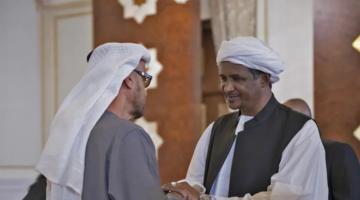 Coalition of NGOs accuses foreign officials, primarily from the UAE, of aiding and abetting war crimes, crimes against humanity, and genocide in Darfur.
 In this week’s segment, we hear about the fascist, white supremacist organization, Patriot Front, and the meaning of their recent march in Washington on July 4th. But we begin with an update on the…
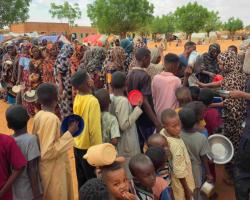 The war in Sudan between government forces and the United Arab Emirates (UAE) backed Rapid Support Force (RSF) continues, and so does what experts call the worst humanitarian crisis in the world. The…
 Daryle Lamont Jenkins is founder of One People’s Project, which seeks to combat and expose right-wing, white supremacist groups and individuals. He joins us from New Brunswick, New Jersey, to discuss…


