Is the Barack Obama campaign actually what it claims to be - the heir to and continuation of an historic and broad-based transformative movement for social change? What exactly are the differences between a social movement, a political candidacy, and a marketing campaign? How do we begin to unravel how much of Obamarama is movement and how much is marketing, and where will the promised and hoped-for "change" actually come from, if it comes at all?
We regret that the audio of this Black Agenda Radio commentary is no longer available.
Obamarama: Is it a Movement? Or is it Marketing? And What Should We Be Doing?
A Black Agenda Radio Commentary by Bruce Dixon
"The Obama 'movement' demands nothing from the candidate except to get elected."
When you visit barackobama.com on the web, the button in the lower left corner says “join the movement”. The Obama campaign frankly claims to be the direct successor to and the current incarnation of the movement for justice and human rights which won Black voting rights and an end to Jim Crow. Unprecedented numbers of young people have been put in motion, the corporate media breathlessly tell us, by “the Obama movement” and Hillary Clinton's staffers have publicly wrung their hands in dismay at the futility of running against, not a rival campaign, but against a “movement.”
While there many similarities between a well-executed twenty-first century US presidential campaign, and a successful multimedia and viral marketing campaign, there are many important differences between both of these and a transformative movement for social change.
All three, to be successful, must tap into widespread, deeply held beliefs in their target audiences, and take full advantage of horizontal, person to person communications inside those audiences to push their message, a process marketers call “viral marketing.” But the content of marketing and political campaign messaging is dictated from the top. Though the masses are passive consumers and sometimes the transmitters of marketing and partisan political messaging, they are seldom or never its originators.
By contrast the goals, the messages, the plans, and the tactics of the mid twentieth century movements for civil and human rights did not come from the top down, they came from the bottom up. They came from union halls, student dormitories and church basements. They came from meetings in the back rooms of restaurants and at kitchen tables across the South and around the country.
"Mass social movements aim to alter relations of power. They are impolite and sometimes operate outside of or in defiance of the law."
The greatest difference between the top-down messaging of marketing and political campaigns and the messages of mass movements for change is in the scope of what they demand, and who they demand it from, and how those demands are backed up.
The goal of marketing campaigns is to get large numbers of people to change or affirm habits of consumption. Political campaigns need to get out their vote and win the election for their candidates. The objectives of marketing and political campaigns are time-limited, respectful of authority and strictly inside the bounds of law and decorum, whether shopping, registering voters, canvassing, calling house meetings, or getting out the vote.
Mass social movements aim to alter relations of power. They are impolite and sometimes operate outside of or in defiance of the law. They make impossible, reckless, irresponsible demands, like respect, human rights and the vote to people who didn't have them - like stopping an unjust war, halting foreclosures and gentrification, like guaranteeing the absolute right to organize a union, to strike and to win a living wage. But the Obama “movement” demands nothing from the candidate except to get elected. There are no yardsticks, no demands placed upon Obama by his constituents, no goals that have come from independently organized meetings or other processes in Black America.
Activists are saying that Obama can and will be held accountable eventually - after he is elected. But how realistic is that?
Unless activists both inside and outside the Obama campaign are organizing their own meetings, raising their own demands, and building their own networks apart from those of the campaign's they won't even have the names, or the phone numbers or the email addresses of the thousands of young and old people eager for change who have come forward to work on the campaign. The day after the election the “Obama movement” will be just like those “movements” that elected Black mayors in cities across the land. Over. And another precious organizing opportunity will have been missed.
For Black Agenda Radio, I'm Bruce Dixon.
BAR managing editor Bruce Dixon can be contacted at Bruce.Dixon(@)BlackAgendaReport.com.

 “Conflicts over colonies constitute the major source of war in the modern world.”
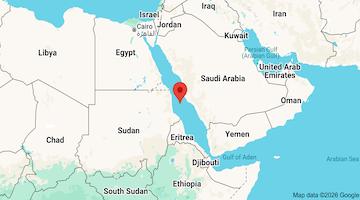 Saudi Arabia has formed a 14-state coalition to stop Ansar Allah, which has threatened to blockade its oil tankers in the Red Sea.
 “...when I talk about our political institutions, there is no reason for any American to continue to be victimized by what we still refer to as the Republican and Democratic parties…We don’t have to…
 In commemoration of the Fidel Castro centenary on August 13, 2026, we present remarks given by Djibo Sobukwe at The Symposium on Fidel Castro and the Cuban Revolution on January 21, 2017,…
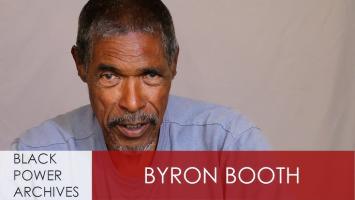 Former Black Panther Deputy Minister of Defense Byron Booth's journey from Compton to Cuba, Algiers to Lagos, reveals the global reach of Black radicalism in a 2016 interview.


