
Related Stories
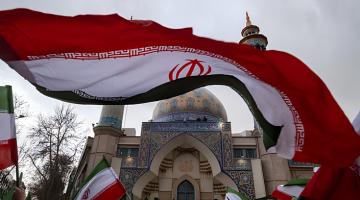
A People(s)-Centered Human Rights framework rejects the liberal abstraction that makes a false symmetry between Iranian authoritarianism and U.
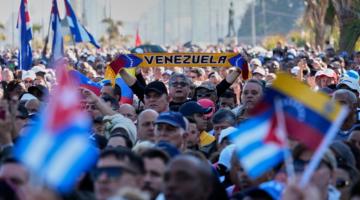
Siege, survival, and the dialectics of Venezuelan sovereignty.
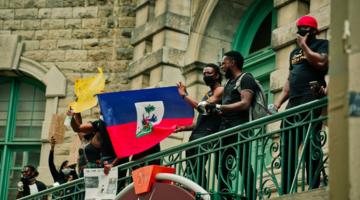
From the United States to the Dominican Republic to the Bahamas, the violence, collective scapegoating, and mass deportation of Haitians lay ba
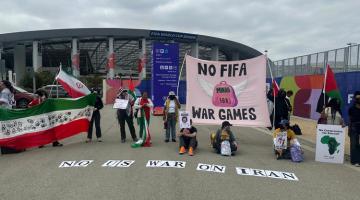
FIFA allowed a nation that commits genocide and runs detention gulags to host the World Cup, and the Anti-Fascist Football Coalition says stayi
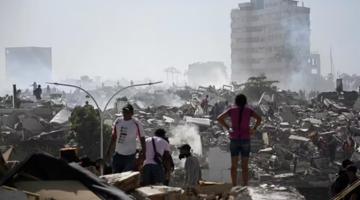

FIFA uses the World Cup to present the United States as a legitimate nation, but the U.S.
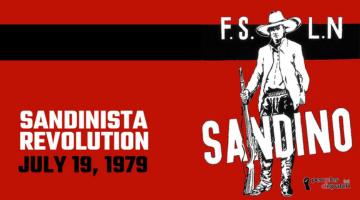
Nicaragua is a living example of anti-imperialist resistance and people-centered development. The job of those in the U.S.

"We all know what lies behind the deafening silence that oppresses us.

Oh, carrier Intrepid/you in these torrid waters of Santo Domingo/only out of fear.
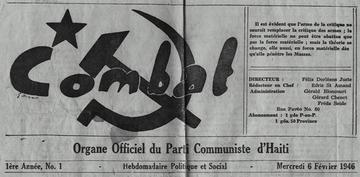
“To combat Imperialism is to combat Capitalism, foreign or native…”
More Stories
 The world's worst humanitarian crisis just found a new epicenter. The capture of El-Fasher signals the start of a worsening chapter in the history of Sudan.
 Peru's congress has perfected the art of the constitutional coup, disposing of presidents the moment their usefulness expires. The removal of Dina Boluarte continues a decades-long strategy to…
 When established institutions refuse to respond in the face of genocide, the mandate for justice falls to the people. This tribunal is a global grassroots movement taking the international law into…
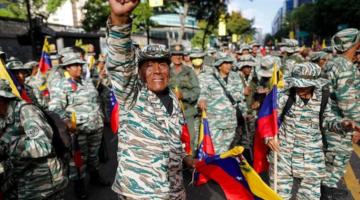 We condemn U.S. lawlessness in Our Americas and call for multinational intervention to guarantee a ‘Zone of Peace’.
 Trump Administration officials have frequently invoked the Monroe Doctrine, explaining the aggression toward Latin America.



