The manifesto claimed the LGBTI struggle as an indelible and urgent part of the history of Pan-Africanism and the ongoing movements for Black sovereignty.
“As long as African LGBTI people are oppressed, the whole of Africa is oppressed.”
On April 18, 2010, a small group of activists from across Africa held a roundtable discussion in Nairobi, Kenya, during which they drafted the African LGBTI Manifesto/Declaration. A short but foundational document, the manifesto was produced at a moment that witnessed the ongoing challenges of neocolonialism, imperialism, state violence, and economic duress across the continent—alongside the receding rights of African lesbian, gay, bisexual, transgender and intersex (LGBTI) communities. At the time the manifesto was written, homosexuality was criminalized in more than thirty African nations and draconian anti-gay legislation had been passed in Uganda and Nigeria.
The manifesto provided a radical challenge to conservative ideas about African identity, challenging the claim that LGBTI identity is “un-African” and reducible to European influence or colonial inheritance. Moreover, in its evocation of questions of justice, self-determination, and personal liberty, the manifesto recast received ideas concerning African liberation: it claimed the LGBTI struggle as an indelible and urgent part of the history of Pan-Africanism and the ongoing movements for Black sovereignty. As we have recently seen the project of pan-Africanism floundering in the backward and hateful morass of homophobia and transphobia, we would do well to return to the African LGBTI Manifesto/Declaration’s liberatory provocations.
African LGBTI Manifesto/Declaration
As Africans, we all have infinite potential. We stand for an African revolution which
encompasses the demand for a re-imagination of our lives outside neo-colonial
categories of identity and power. For centuries, we have faced control through
structures, systems and individuals who disappear our existence as people with agency,
courage, creativity, and economic and political authority.
As Africans, we stand for the celebration of our complexities and we are committed to
ways of being which allow for self-determination at all levels of our sexual, social,
political and economic lives. The possibilities are endless. We need economic justice; we need to claim and redistribute power; we need to eradicate violence; we need to
redistribute land; we need gender justice; we need environmental justice; we need
erotic justice; we need racial and ethnic justice; we need rightful access to affirming and
responsive institutions, services and spaces; overall we need total liberation.
We are specifically committed to the transformation of the politics of sexuality in our
contexts. As long as African LGBTI people are oppressed, the whole of Africa is oppressed.
This vision demands that we commit ourselves to:
• Reclaiming and sharing our stories (past and present), our lived realities, our
contributions to society and our hopes for the future;
• Strengthening ourselves and our organizations, deepening our links and
understanding of our communities, building principled alliances, and actively
contributing towards the revolution.
• Challenging all legal systems and practices which either currently criminalize or
seek to reinforce the criminalization of LGBTI people, organizations, knowledge
creation, sexual self expression, and movement building.
• Challenging state support for oppressive sexual, gendered, discriminatory norms,
legal and political structures and cultural systems.
• Strengthening the bonds of respect, cooperation, passion, and solidarity
between LGBTI people, in our complexities, differences and diverse contexts.
This includes respecting and celebrating our multiple ways of being, self
expression, and languages.
• Contributing to the social and political recognition that sexuality, pleasure, and
the erotic are part of our common humanity.
• Placing ourselves proactively within all movement building supportive of our
Vision.
End!
Reprinted from Sokari Ekine and Hakima Abbas, Editors, The Queer Africa Reader (Pambazuka Press, 2013).
This column was created by The Black Agenda Review team.
COMMENTS?
Please join the conversation on Black Agenda Report's Facebook page at http://facebook.com/blackagendareport
Or, you can comment by emailing us at comments@blackagendareport.com




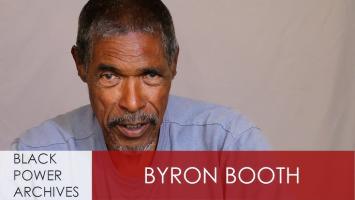 Former Black Panther Deputy Minister of Defense Byron Booth's journey from Compton to Cuba, Algiers to Lagos, reveals the global reach of Black radicalism in a 2016 interview.
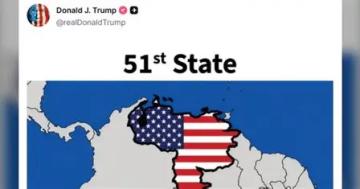 The U.S. is not shy about proclaiming its control of Venezuela and its resources.
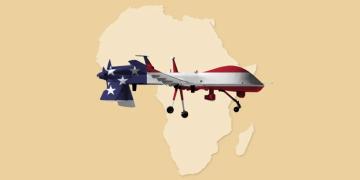 From boots on the ground to battles for the mind, an examination of the Pentagon's new psychological operations unit illustrates Washington's bid to reclaim influence in Africa.
 "54 years after his assassination by the Zionist entity, Ghassan Kanafani’s career, politics, and dedication to the Palestinian Liberation struggle remain instructive for anti-imperialist struggle in…
 "Cuba has remained a shining example of internationalism and holds a special place in the history of people's struggles against imperialism."


