
Related Stories
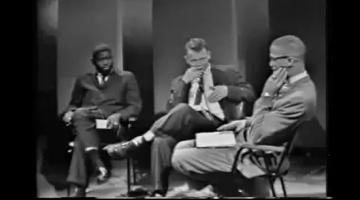
Corporate media require American identity politics which contradict African authenticity.
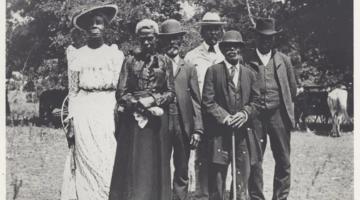
Most people think Juneteenth was simply when enslaved Texans learned they were free, but that is a myth.

In this series, we ask acclaimed authors to answer five questions about their book.
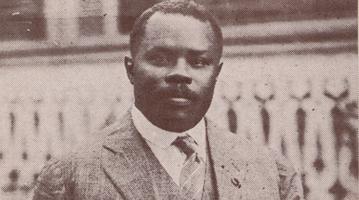
“When the American and West Indian Negroes get to know their history…they will have a greater lov

Looted African skulls come home after a century in German labs, exposing colonialism's history of dehumanizing "race science."

Black people who are among the rich and famous garner praise and love, and so do those who are in distr
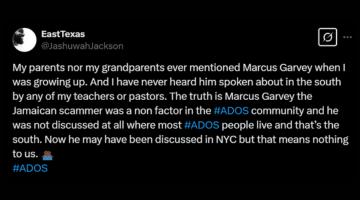
The ADOS and FBA (American Descendants of Slavery and Foundational Black Americans) movements have gained influence by advocating for reparatio
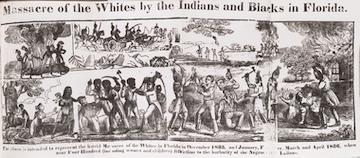
“The Seminoles had set a dangerous example, for if Blacks and Native Americans united everywhere in the
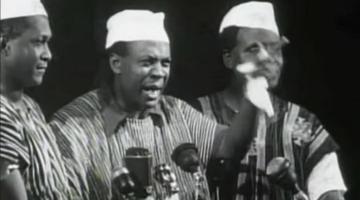
The end of the Second Imperialist War (World War II) did not usher in the end of colonialism and oppression for Africans on the continent and i
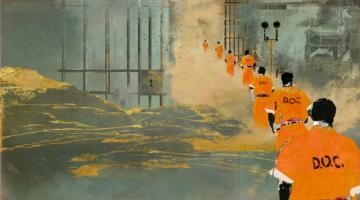
In the U.S., a nation built on the enslavement and exploitation of humans, the system of slavery cannot be destroyed. It has mer
More Stories
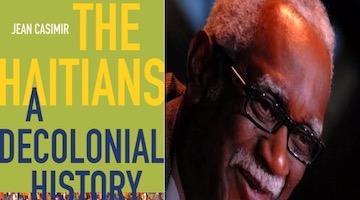 The worldview animating Haitian masses today is leading to a social context ungovernable within the framework of prevailing economic neo-liberalism.
 This book challenges the myth that 1994 was the turning point in South Africa -- because the liberation process is unfinished.
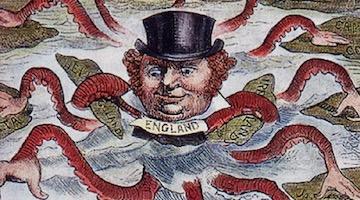 The craven fear of truth in imperial zones, bordering on psychopathic dread, has sustained systemic racism and hegemonic power domestically and globally.
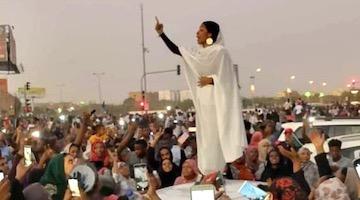 The not-yet-triumphant Sudan popular uprising was both sophisticated and thorough; it tried to learn from past mistakes and internalize lessons from revolutions of the first wave and elsewhere.
 The Cuban Revolution has shown that when limited resources are distributed equitably and with an emphasis on people and prevention, public health outcomes previously unimaginable can be achieved.



