Photo: Maryland Office of the Governor
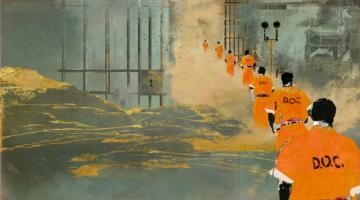
Maryland Governor Wes Moore recently issued pardons for over 175,000 people in a show of "progress" in criminal justice reform. But these pardons barely scratch the surface of the destruction of black working-class communities and serve to draw people from the fight for true reparations from the war on drugs.
One might conclude that Maryland Governor Wes Moore’s pardoning of over 175,000 low-level marijuana convictions is a “step in the right direction” in reforming the criminal justice system. Add to this the timing of the announcement on the eve of the Juneteenth holiday, and the optics make for good public relations for Moore.
But when one peels back the layers of the actual act and Moore’s more significant criminal justice record thus far, it becomes clear that the gesture is more performative public relations than the radical substantive change needed. We will outline a few reasons why:
- Pardons do not expunge criminal records, which is a significant barrier that returning citizens face, be it employment, student debt relief, and often for professional licensing and housing;
- No one in Maryland is currently incarcerated for misdemeanor marijuana convictions. The pardons free no one from jail;
- This is “back door” action when “front door” action is needed, which impacts charging decisions, pretrial detention, and alternatives such as diversion to mental health programs and mediations of disputes; and most importantly, Initiatives – 2024 | Maryland Alliance for Justice Reform (ma4jr.org);
- This pardon does not overturn possession convictions for those persons who experience a parole violation as a result of the conviction;
- The governor signed the 1990s-style “tough-on-crime” legislation earlier in the year primarily aimed at youth, which all but ensures the pipeline to incarceration will continue—1990s-style tough-on-crime approach wrong for juvenile justice | Juvenile Law Center (jlc.org).
This all occurs in a state that leads the nation in racial disparities in arrest, charges, and incarceration—Rethinking Approaches to Over Incarceration of Black Young Adults in Maryland - Justice Policy Institute.
Moore’s move does nothing to address the pain and suffering especially of Black working class families have endured. The so-called “war on drugs” was in reality a war on the Black community. Instead of bringing justice, the pardon attempts to get ahead of a struggle for reparations that would compensate the victims of that war and for an end to mass incarceration altogether.
Therefore, it is UPP’s position that this act should not be viewed as a significant step in dismantling a clearly racist criminal injustice system simply because it was implemented by a Black face.
For more on UPP, go to our website, www.uppmaryland.org and request a copy of the Progress Report, our fresh off-the-press newsletter, and join us.