
Related Stories
“...the science for revolutionary change…is forged by human persuasion and building social consciousness based on the class analysis

Corporate media require American identity politics which contradict African authenticity.

Even though the table’s tilted; the dice are loaded;and the cards are marked; even though light-fingered
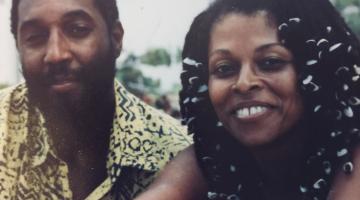
On May 30, 2026, a Celebration of the Life and Legacy of Assata Shakur was held at the Riverside Church in New York City.

This piece was originally published in Black Agenda Report i
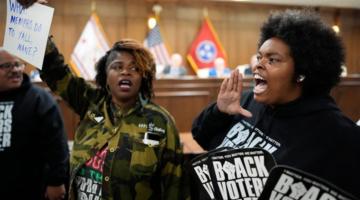
Tennessee just erased its only majority-Black voting district.
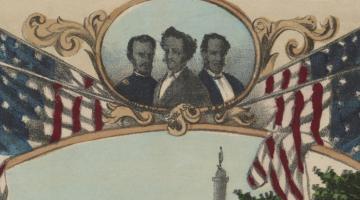
From the 1870 15th Amendment to the Voting Rights Act of 1965, voting rights for Black people have proven to be ephemeral.

The Supreme Court decision in Louisiana v.

The conditions are ripe for growing Black political consciousness, but revolutionary movements must broaden their reach to all sectors and clas
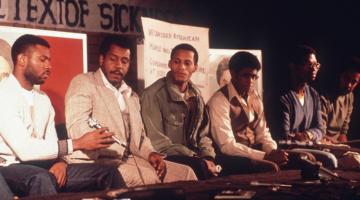
Black youth fed xenophobia instead of international solidarity become military pawns who risk their own lives and their people's libe
More Stories
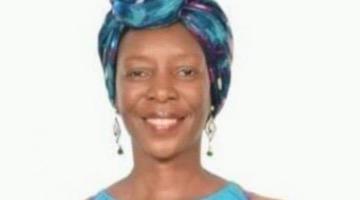 We owe it to Barbara to march those extra miles and create a new Uganda. “She was arrested multiple times for leading protests against the regime.”
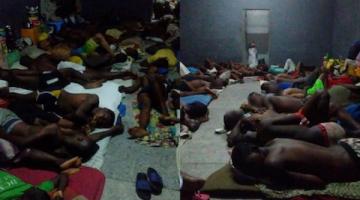 The Democratic Republic of Congo’s main prisons are filled at 432 percent on average, making them some of the most overcrowded in the world.
 Venezuelan officials reported that a group of mercenaries attempted to invade the country on Sunday but were stopped by the country’s army and police.
 Black Agenda Radio for Week of May 4, 2020 Corporate Media Largely Decide Which Black Lives Matter
 Contrary to the conventional wisdom, Black former offenders “need to see strong evidence" that the formerly incarcerated person has really changed, said Sandra Susan Smith, a



