
Related Stories
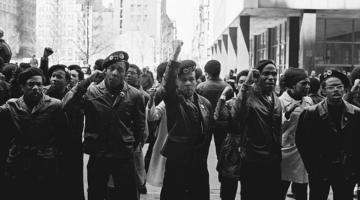
The Black Panther Party did not begin in Oakland on October 15, 1966, but emerged from earlier organizing in Harlem and Lowndes Count
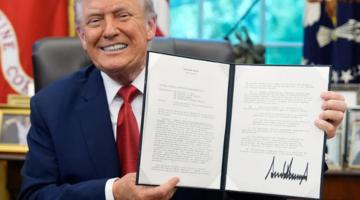
NSPM-7 and the State Department's international campaign against "far-left political terrorism" represent new and more dangerous form
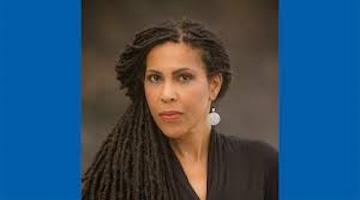
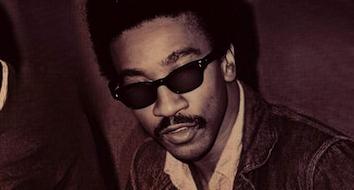
“There is and always will be, until every Black man, woman, and child is free, a Black Liberation Army.”
The end of the Second Imperialist War (World War II) did not usher in the end of colonialism and oppression for Africans on the continent and i
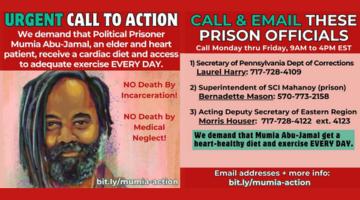
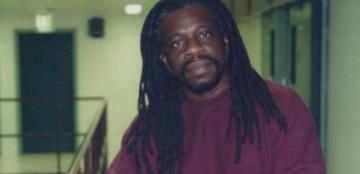
The state uses tactics such as medical neglect to slowly assassinate political prisoners like Mumia Abu-Jamal.
Book Forum Editor, Roberto Sirvent, interviews Austin Cole about his community organizing work and political writing.

A commemoration of the life of comrade Sekou Odinga, a lifelong New African revolutionary, former political prisoner, and unstoppable force in
More Stories
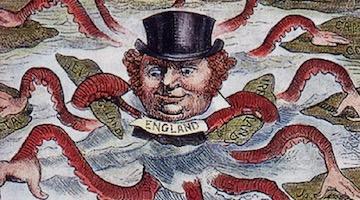 The craven fear of truth in imperial zones, bordering on psychopathic dread, has sustained systemic racism and hegemonic power domestically and globally.
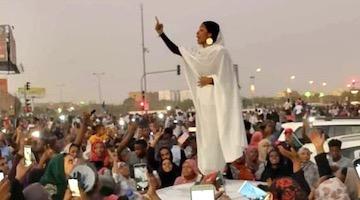 The not-yet-triumphant Sudan popular uprising was both sophisticated and thorough; it tried to learn from past mistakes and internalize lessons from revolutions of the first wave and elsewhere.
 The Cuban Revolution has shown that when limited resources are distributed equitably and with an emphasis on people and prevention, public health outcomes previously unimaginable can be achieved.
 Savannah is is trying to create a renaissance of profit with live bodies portraying Gullah Geechee, enslaved Africans or immigrant indentures plodding through a mod-gothic spook show.
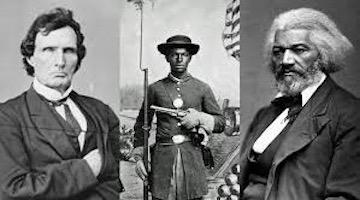 Rep Thaddeus Stevens was an unyielding proponent of the nationalization of the large southern plantations and the redistribution of that land to Black people.



