
Related Stories
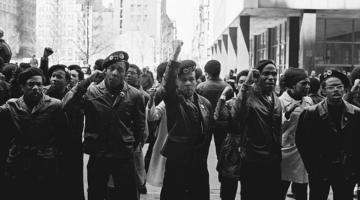
The Black Panther Party did not begin in Oakland on October 15, 1966, but emerged from earlier organizing in Harlem and Lowndes Count
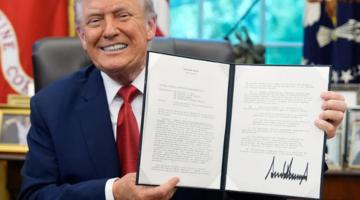
NSPM-7 and the State Department's international campaign against "far-left political terrorism" represent new and more dangerous form
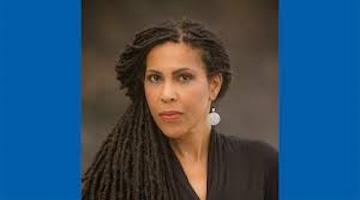
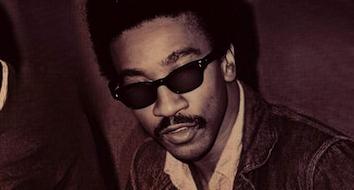
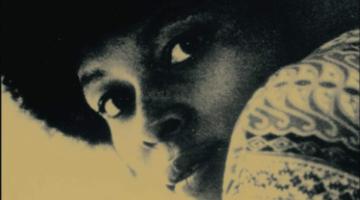
“There is and always will be, until every Black man, woman, and child is free, a Black Liberation Army.”
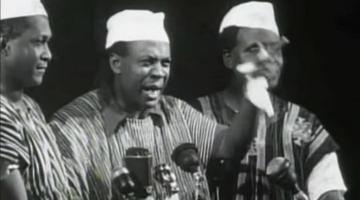
The end of the Second Imperialist War (World War II) did not usher in the end of colonialism and oppression for Africans on the continent and i
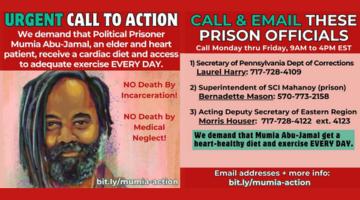
The state uses tactics such as medical neglect to slowly assassinate political prisoners like Mumia Abu-Jamal.
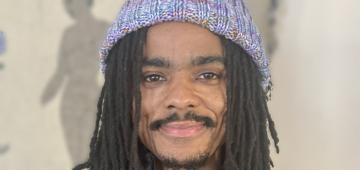
Book Forum Editor, Roberto Sirvent, interviews Austin Cole about his community organizing work and political writing.

A commemoration of the life of comrade Sekou Odinga, a lifelong New African revolutionary, former political prisoner, and unstoppable force in
More Stories
 The confusion goes all the way back to the Trans-Atlantic slave trade. “Most American supermarkets are selling you sweet potatoes, not yams.”
 If the Left Doesn’t Critique Endless War, Who Will?
 The peace activists that were persecuted in the McCarthy era were not fighting just for the absence of war, but were “anti-imperialist, anti-colonial, anti-capitalist and demanded an end to United
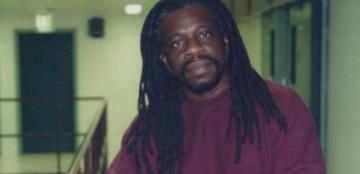
 Delbert Africa, imprisoned along with eight other members of the Move organization in 1978 in the death of a Philadelphia policeman, is finally free to “tell his story,” said Mumia Abu
 Back in the days when 90 percent of southern prison inmates were Black, socially conservative Black clubwomen fought for prison reform, believing that “putting Black women in jail was hurting the B



