
Related Stories
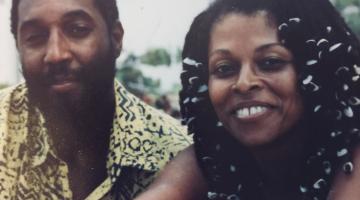
On May 30, 2026, a Celebration of the Life and Legacy of Assata Shakur was held at the Riverside Church in New York City.

“There is and always will be, until every Black man, woman, and child is free, a Black Liberation Army.”

In 2013, Barack Obama and Attorney General Eric Holder declared Assata Shakur a Most Wanted Terrorist, placing a $2 million bounty on her head.

They called Assata Shakur a fugitive; we claim her as a compass.

To commemorate Black August, read Safiya Bukhari's essay on political prisoners and political mov

Joan Gibbs, long time civil rights attorney and activist, is remembered for her deep commitment to her community and for so
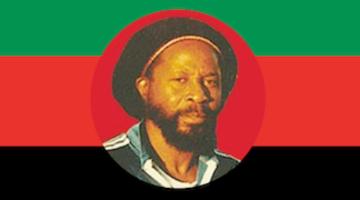
The late African revolutionary Sekou Odinga in his own words.
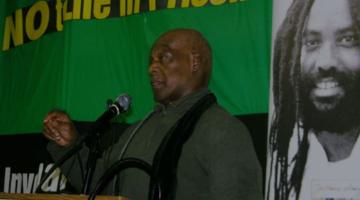
Ralph Poynter was a pioneer in the fight against white supremacy, oppression, and injustice around the world.

This week’s featured author is Orisanmi Burton
A letter commemorating George Jackson speaks to the origins of Black August.
More Stories
 The western nations that Ethiopia previously kow-towed to claim national government forces attacked Tigrayan troops first, when precisely the opposite occurred.
 Shangri-La—untaxed, socially-distanced champagne- caviar, Cayman Island, yacht crowds who Pay nothing for water washing their waste to sewage
 Bell levels a class critique against the Black bourgeoisie, whom he sees as having led Black political protest down the wrong path time and time again.
 French bullying of Africa has been driven entirely by self-interest and greed.
 This book analyzes Early Modern English Drama as a form of cultural production in which the paradigm of Early Modern England was shifting to account for encounters with black Africans.



