
Related Stories
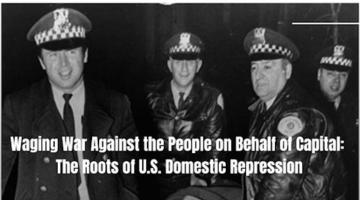
The "Antifa summit" and the NSPM-7 represent another institutional step toward consolidating fascism in the United States by criminalizing oppo
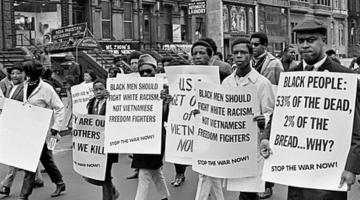
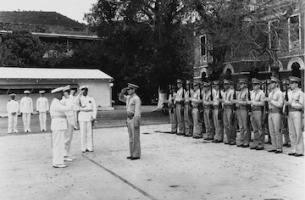
“[T]he United States on March 31, 1917,...acquired the three Danish West Indian isles…subsequently rechristened “the Virgin Islands o
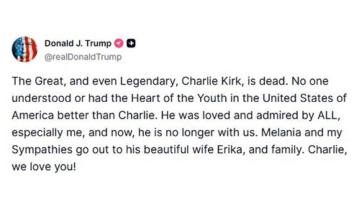
Charlie Kirk's assassination has become the pretext to accelerate a pre-existing fascist agenda, targeting a broad spectrum of forces, from lef
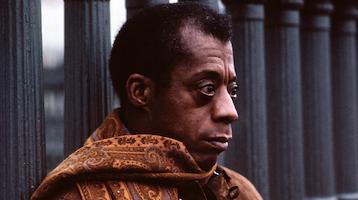
James Baldwin on white madness–and Black resistance.
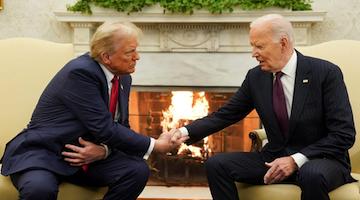
Manning Marable reminds us that US fascism is institutional and normalized.

The state has put targets on the backs of left-wing independent media outlets it identifies as subversive.

Martyred Black Panther, George Jackson told us long ago that fascism has been the de facto politi


In this series, we ask acclaimed authors to answer five questions about their book.
More Stories
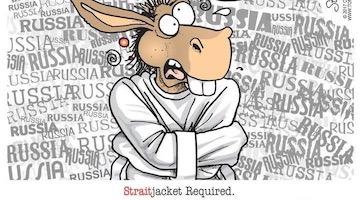 Russiagate hysteria is an international conspiracy, with British spooks spreading lies on three continents. Now Black Americans are slandered as “dupes” of Moscow.
 The Obamas are cashing in on their lifelong project to further the destruction of Black people, while blaming the victim.
 Democrats failed to get enough votes to repeal the FCC’s undoing of net neutrality, but there’s still time to change some member’s votes.
 Our authors examine how white feminism became “junior partner to enslavist capitalist patriarchy,” and how do we “resist silences that limit the span of democracy?”
 The US could finance a “Green” New Deal in the same way that it paid for the first New Deal, during the Depression – with public “banking” institutions.



