
Related Stories

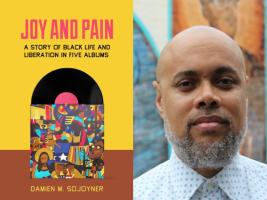
In this series, we ask acclaimed authors to answer five questions about their book.

The late Jayne Cortez spits fire, reminding us of the need to fight, resist, organize, and unify to seize power.

In this series, we ask acclaimed authors to answer five questions about their book.

Shangri-La—untaxed, socially-distanced champagne-
caviar, Cayman Island, yacht crowds who
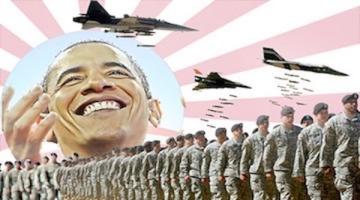
Could the pigment of your imagination
cause Black magic mascots, props, sops—
Black faces in high places—


“History repeats itself, first as tragedy, second as farce.” —Karl Marx

"From each according to his ability, to each according to his needs…” —Karl Marx

“Ain’t no power like the power of the people—
‘cause the power of the people don’t stop!” bouncing
More Stories
 Miami serves as a heightened case to explore such contradictions as I look closely at tensions between African Americans, white Cubans, and Black Cubans.
 In typical critical analyses and progressive multiracial mobilizations Black suffering is acknowledged while antiblackness is negated
 Historian Elizabeth Hinton’s book reveals that, in the late sixties and early seventies, there were hundreds of local rebellions against white violence and racial inequality.
 The U.S Has a long history of blaming Asian immigrants for outbreaks of disease, and every time, democracy and public health suffer.
 Prison officials could have prevented sickness and death by releasing those who were most vulnerable to coronavirus and least likely to reoffend — older incarcerated people.



