
Related Stories
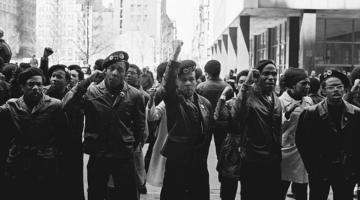
The Black Panther Party did not begin in Oakland on October 15, 1966, but emerged from earlier organizing in Harlem and Lowndes Count
NSPM-7 and the State Department's international campaign against "far-left political terrorism" represent new and more dangerous form
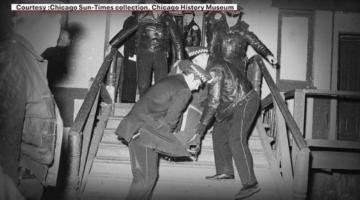
Longtime attorney Flint Taylor’s new book tells the story of the People’s Law Collective, which grew out of the radical movements of the late 1
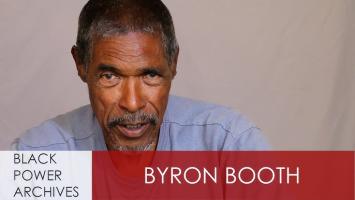
Former Black Panther Deputy Minister of Defense Byron Booth's journey from Compton to Cuba, Algiers to Lagos, reveals the global reac
The rhetoric of crime prevention has always served to enforce colonial order.

In “A Southern Panther,” movement elder Malik Rahim talks about his lifetime of battling ra
To commemorate Black August, read Safiya Bukhari's essay on political prisoners and political mov
Joan Gibbs, long time civil rights attorney and activist, is remembered for her deep commitment to her community and for so
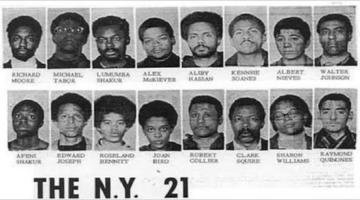
The trial of the New York Panther 21 was the moment in the Black liberation movement that ushered in an era of intensified state repressio
More Stories
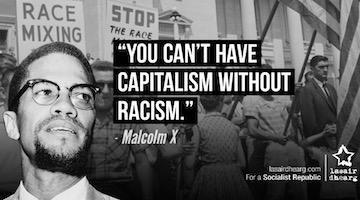 The system of exploitation that bore slavery remains, albeit without slavery, the very same system of exploitation.
 The interpretations of and commentaries in the bibliography vary widely, from unquestionable support for WikiLeaks to outright hatred of Assange.
 White Capitalist Law vs “Uncontrollable Blackness”
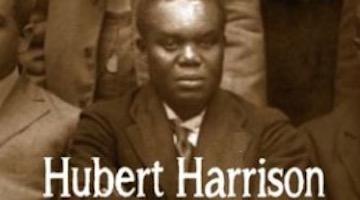 The second volume on the life and works of Hubert Harrison, the Harlem-based activist, organizer and journalist, is about to be released.
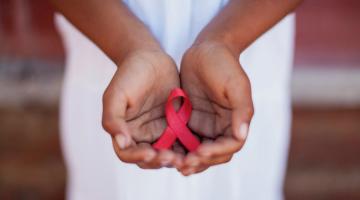 When HIV-AIDS struck in Philadelphia, mostly white organizations and epidemiologists “were blinded to the kind of locations and geography” where the contagion might be centered in the Black communi



