
Related Stories
To commemorate Black August, read Safiya Bukhari's essay on political prisoners and political mov
Joan Gibbs, long time civil rights attorney and activist, is remembered for her deep commitment to her community and for so
The late African revolutionary Sekou Odinga in his own words.
Ralph Poynter was a pioneer in the fight against white supremacy, oppression, and injustice around the world.
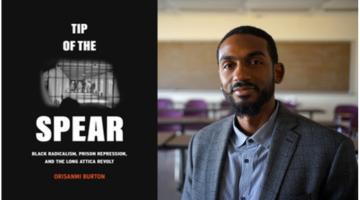
This week’s featured author is Orisanmi Burton
A letter commemorating George Jackson speaks to the origins of Black August.
Black August is an important month of political education, but it should not solely be about the past.
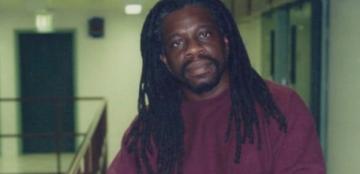

A United Nations panel of experts is in the US investigating the condition of political prisoners held in this country.
More Stories
 Keisha Lindsay: Questions about black all male schools; Chris Duran & Concerned 44 demand reform of African Studies at Seton Hal; Zayid Muhammad of Newark Concerned Communites on documenting po
 US presidents may seem different from one another, in terms of rhetoric, “but they all have in common being committed to empire,” said Anthony DiMaggio,a political scientist a
 Zayid Muhammad, of Newark Communities for Accountable Policing, was pleasantly surprised at the scope of a NJ Advanced Media report on police use of force in every city and town in
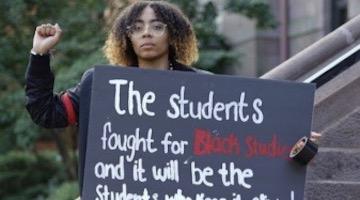 Students with the Concerned 44 movement, representing the 44 percent of students that are ethnic or gender minorities, plan to renew their protests after the holidays at Seton Hall University, said
 The movement for all-male Black schools is both “good and bad,” said Keisha Lindsay, author of In a Classroom of Their Own.



