
Related Stories

From the front lines of the Black Power movement to a Georgia prison cell, the life of Imam Jamil Al-Amin represents a continuous thread of res

Book Forum Editor, Roberto Sirvent, interviews Austin Cole about his community organizing work and political writing.

The Zone of Peace campaign is a "people(s) centered" grassroots effort to end imperialist domination throughout the Americas.
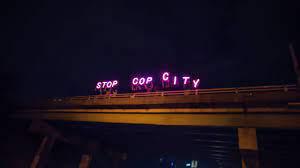
The plan for an Atlanta police training facility known as "Cop City" is the latest phase of state repression in that region.


The Black Alliance for Peace hosts a Month of Action Against the US Africa Command, AFRICOM, every October.
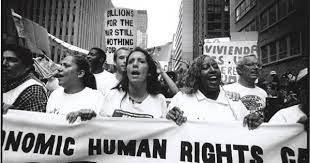
As groups prepared to gather in Washington D.C.
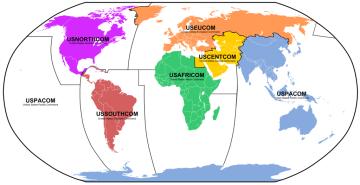
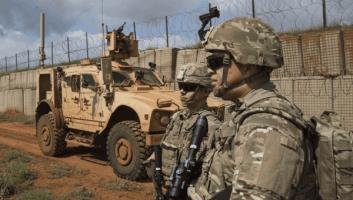
The Black Alliance for Peace marks African Liberation Day with a statement condemning the latest US troop deployment to Somalia.
More Stories
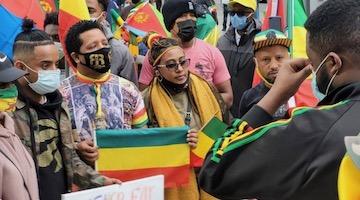 The US bid for sanctions against Eritrea was rebuked by the UN Security Council, so the imperial bloc had to settle for European sanctions against the fiercely independent African government.
 $13 billion aircraft carriers, $10 pencils and $500 hammers, renamed “portable hand-held transcribing devices” and “impact fasteners;” so war-profiteer pimps—war
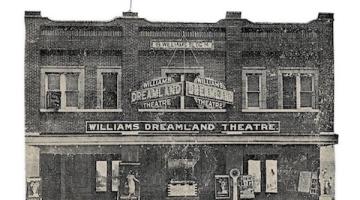 In 1921 thousands of whites attacked the Black population of Tulsa, Oklahoma with machine guns, airplanes, fire and pure hatred, killing at least 300.
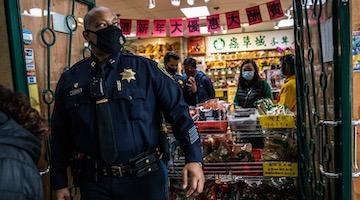 More policing rarely results in justice for anyone, and only puts Black, Indigenous, and other communities of color (BIPOC), including Asian people, at risk for more violence.
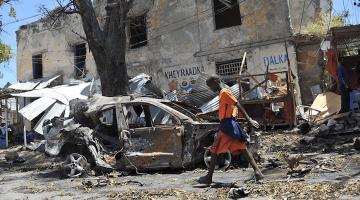 “Bombing Somali civilians is one of AFRICOM’s main projects,” writes Mohamed Haji Ingiriis, a young Somali historian.



