
Related Stories
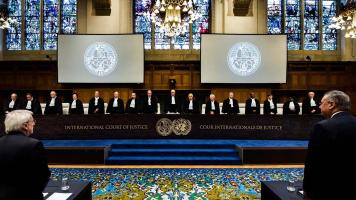
37 years after a 1986 International Court of Justice ruling, the United States still refuses to pay Nicaragua the reparations it legally owes.

The question of how Black people fare in a particular country can be a legitimate issue or a ruse used in the furtherance of U.S.
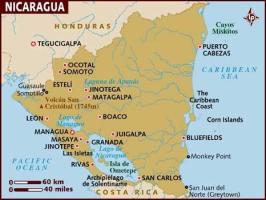
The U.S. corporate media loyally follow the state's narrative about other countries.

The failure of the U.S.

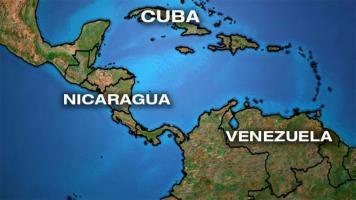
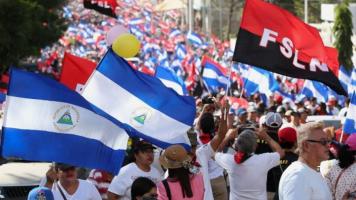
The U.S. regime change effort in Nicaragua has failed. The people are determined to assert their rights of self-determination and the U.S.

The Nicaraguan people are fighting to preserve their rights to democracy and self-determination in the face of U.S. aggression.

Nicaragua's recent elections were conducted with transparency and freedom of choice for voters. The only problem is with the United States
More Stories
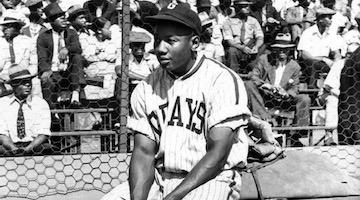 Major League Baseball’s recent moves to recognize the contributions of the Negro league teams they once excluded amount to only “the beginning stages of any kind of restitutive or reparative justic
 “The US health system has failed utterly and completely to protect the people” in this country, said veteran activist Sara Flounders, co-editor with Lee Siu Hin of the new, 50-writ
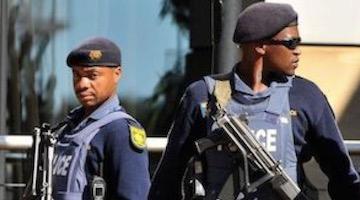 “South African police kill between two and three times as many people as US police do, per capita,” said Paul Clarke, a doctoral candidate in African and American Studies who has d
 Stokely Carmichael’s Black Power Meets African Liberation
 Sexual issues were loudly debated among anti-colonial activists in the Dutch Caribbean colonies of Curaçao and Aruba, said Chelsea Shields, a history professor at the City Universi



