
Related Stories

After a damning revelation eight years ago, state leaders changed the make-up of the Parole Board to combat inequality.
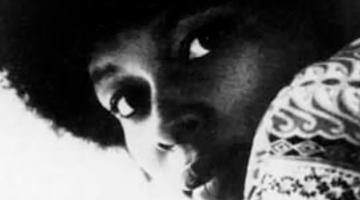
Assata Shakur exposes the conditions faced by incarcerated Black women in a powerful 1978 essay.

The US political elite and their elite press are using the fraudulent claims about a “crime wave” as an ideological offensive, a backlash, agai
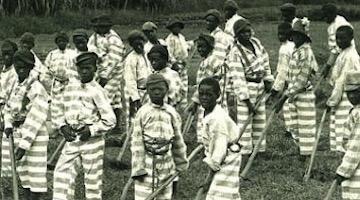
The ‘slavery clause’ made the passage of restrictions targeting Black people like the Black Codes possible as well as convict leasing of

Prison officials could have prevented sickness and death by releasing those who were most vulnerable to coronavirus and least likely to reoffend —

The same activists who are working to defund the police are also part of a collective movement to bring an end to neoliberal capitalism.

“Police can call you a gang member because they observed you with other gang members, who they declared gang members because they were with other g

Judges, prosecutors and sheriffs in many states sent people home instead of to jail last year, but new data suggests the change is not lasting.

The small world of prison food production is a microcosm of the American food system, which all too o#en functions as a race to the bottom.

After first being forced to live in chemically toxic communities, Black and Brown people are then incarcerated in jails where they cannot escape so
More Stories
 “Economic disparities, police brutality, inequalities et al. go together with capitalism.”
 “When they cannot make more money out of us, then they deport us quickly.”
 “Solidarity is built less by rhetoric than by “first showing up.”
 “The law has been used to perpetuate an injustice in Mr. Clutchette’s case.”
 NCOBRA's Kamm Howard on the stsatus and prospects for reparations legislation in the US House of Representatives now that John Conyers, the perennial sponsor of reparations legislation has retired.



