A Black Agenda Radio commentary by executive editor Glen Ford
President Trump would like to terminate the two dozen agreements reached between police departments and the Obama administration. “Given the hostility of the Trump administration to the very idea of restraints on police, possibly the best thing that Sessions could do is walk away” from consent decrees “and let the courts oversee the agreements without interference.” In Trump’s world, racism is a rumor based on isolated incidents.
Systemic Racist Oppression as “Isolated Incident”
A Black Agenda Radio commentary by executive editor Glen Ford
“Technically, the Justice Department can’t just walk away from its legal obligations.”
Attorney General Jeff Sessions, the Old South, states’ rights spewing, redneck son of Alabama, seems determined to extricate the U.S. Justice Department from its participation in consent decrees and memorandums of agreement reached with police departments in about two dozen cities under the Obama administration. Sessions ordered his underlings to do a review of the agreements, almost certainly with the goal of terminating them, if he can get away with it. Consent decrees are backed up by court orders, so, technically, the Justice Department can’t just walk away from its legal obligations. However, given the hostility of the Trump administration to the very idea of restraints on police, possibly the best thing that Sessions could do is walk away, and let the courts oversee the agreements without interference from the Trump administration.
Trump and Sessions claim that disrespect for the police is the root cause of crime, and that monitoring the police only damages their morale. Trump says he’ll step up the federal role in suppressing drugs and crime, but will leave civil rights enforcement to the states. For those that are fluent in White Man Talk, what Trump and Sessions mean is that they will intensify mass Black incarceration by continuing the subterfuge of the War on Drugs.
One should not take Donald Trump literally when he says he will leave most police matters to the states and cities. Trump’s mouth knows no jurisdictional boundaries. He has already loudly intervened in Chicago, threatening to send in federal forces to restore law and order -- whether anybody asks him to come in or not. It is impossible for Trump or any other white supremacist politician to be silent when there are race-baiting opportunities to exploit.
“Trump’s mouth knows no jurisdictional boundaries.”
Whether Sessions succeeds in terminating the existing consent decrees with 14 cities or not, there will almost certainly be no more such arrangements under the Trump regime. Folks in traditional civil rights circles think that’s a tragedy. They claim consent decrees create opportunities for meaningful reform of the criminal justice system. Urban machine politicians like Chicago Mayor Rahm Emanuel support the consent decree process. Most big city police chiefs favor consent decrees, too. And, why not? Consent decrees are agreements that the Justice Department will NOT sue local police departments for their racist practices. In return, the cops institute cosmetic “reforms” that allow them to more efficiently carry out their missions as armies of occupation in the Black community. The politicians and the cops and the local Black Misleadership Class get to pat each other on the back for reaching agreements around peripheral issues like body cameras -- while poor Black communities get more mass incarceration.
Attorney General Sessions has directed his lawyers to make sure that police departments are not brought under tighter controls because of the “misdeeds” of individual cops. In other words, under Trump, even the most dramatic and shocking cases of police murder of Black citizens will not be allowed to trigger department-wide reforms of the police. Under these rules, the police killings of Michael Brown, Eric Garner and so many others are simply isolated incidents, of no national or public policy concern.
For Black Agenda Radio, I’m Glen Ford. On the web, go to BlackAgendaReport.com.

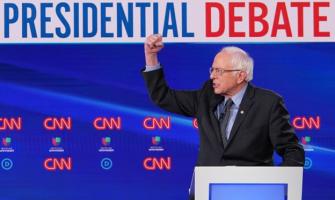 Glen Ford analyzed a 2019 Democratic Party presidential debate and points out that support for U.S. aggression towards Venezuela and other nations is a bipartisan project.
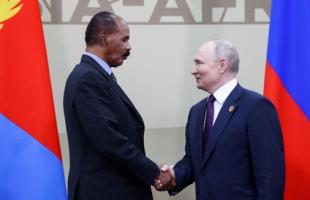 On July 28 Eritrean president Isaias Afwerki spoke to Vladimir Putin at a summit with other African leaders. Afwerki explained why African nations see Russia as an ally, and why they are mistrustful…
 In a 2015 interview on the Real News Network Glen Ford explained why the west is so hostile to Eritrea and tells lies about migration from that country.
 If the Democrats were a real, mass based party, they would never consider Joe Biden as their nominee because he has no support among the people that energize parties: the youth.
 "What would Glen Ford say?" That question is one which we often ask ourselves two years after his passing.


