Clinton is Far More Anti-Crime Than Pro-Justice When Donald Trump and Hillary Clinton clashed over stop-and-frisk at their first televised debate, Clinton only weakly addressed “the idea of racial justice,” but instead “went immediately to the idea of effectiveness” of stop-and-frisk as a crime-fighting tool. “If a program infringes on civil liberties and violates the Constitution, it doesn’t matter at all if it’s effective or ineffective,” said Chip Gibbons , policy and legislative counsel for the Bill of Rights Defense Committee. If, however, the purpose of a policy is “to terrorize people of color, then I supposed you can make an argument that stop-and-frisk is effective in doing that,” said Gibbons.
Trump Not the Only Neo-Fascist Running for President Hillary Clinton’s “worldview and her policies are just as dangerous as Donald Trump’s,” said Ajamu Baraka , the Green Party’s vice presidential candidate. Lots of folks “talk about the coming of neo-fascism under Donald Trump, but don’t understand that the foundation for neo-fascism has already been created under the Obama administration -- and for some of us, in our communities, we have already been subjected to neo-fascist repression.” In Syria, both Clinton and Trump “are committed to the use of military force to advance the interests of the U.S,” said Baraka.
Candidates “Tone-Deaf” to Inner City Demands “Our big concern was that the presidential candidates were tone-deaf to the avalanche of organizing and fightback against corporate education interventions that are targeting Black and brown neighborhoods all over the United States,” said Jitu Brown , of the Journey for Justice Alliance, representing 40,000 activists in community organizations in 24 cities. The Alliance demands “real, comprehensive equality in education” and a national moratorium on school charters. “We will not give folks the pass that President Obama got,” said Brown.
Black Agenda Radio on the Progressive Radio Network is hosted by Glen Ford and Nellie Bailey. A new edition of the program airs every Monday at 11:00am ET on PRN. Length: one hour.
listen
http://traffic.libsyn.com/blackagendareport/20161003_Black_Agenda_Radio.mp3

 National and international crises exemplified in Nancy Pelosi's visit to Taiwan. The struggle to secure reparations for African people continues.
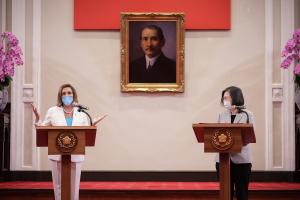 Dr. Anthony Monteiro is a Duboisian scholar and founder of the Saturday Free School for Philosophy and Black Liberation. He joins us from Philadelphia to analyze the crises in U.S. domestic and…
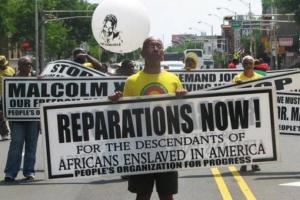 Kamm Howard is Executive Director of Reparations United. He recently attended the reparations and racial healing summit in Accra, Ghana. He joins us from Chicago to discuss the campaign to secure…
 White supremacist arrogance was the order of the day when Nancy Pelosi ignored a red line set by the Chinese government and visited Taiwan.
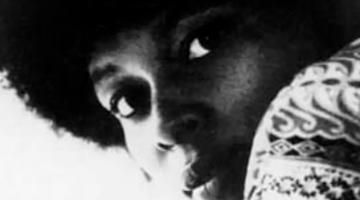 Assata Shakur exposes the conditions faced by incarcerated Black women in a powerful 1978 essay.


