A Black Agenda Radio commentary by executive editor Glen Ford A new study cites huge disparities, by race, in drug use among former detainees at Chicago’s juvenile detention center. Whites were 30 times as likely to use cocaine as Blacks, and 50 times more likely to abuse opiates. The numbers are misleading. What the study really showed was that only exceptionally troubled white kids wound up in juvenile detention, while Blacks are thrown into the system in droves. Drug and crime stats are skewed by race.
If White People Love Drugs So Much, Why are the Prisons Full of Blacks? A Black Agenda Radio commentary by executive editor Glen Ford “The way Black people actually behave is not nearly as important as the way the state intervenes in Black people’s lives.”
It is now commonly recognized that white people do more drugs than Blacks and Hispanics, but go to jail for it far less often. White kids also smoke and drink more than Black kids, which most people would assume should correlate with youthful rebellion or rowdiness, but it’s the Black kids that are expelled from school at far higher rates than those hard smoking, booze-swilling whites. What the numbers are telling us is that the way Black people actually behave is not nearly as important as the way the state intervenes in Black people’s lives. Crime statistics do not measure actual crime; they measure arrests and convictions. In that sense, crime statistics are actually measurements of the activities of police, prosecutors and judges; Black people are simply the objects that are being acted upon, by the criminal justice system.
Now, this does not mean that Black folks don’t engage in their share of crime; it simply means you can’t measure the prevalence of crime or anti-social behavior in the Black community by arrest and conviction statistics, or by expulsions from school.
Longitudinal studies are valuable sociological tools because they keep track of groups of people over a period of years, or even decades, rather than just presenting a snap-shot of the human subjects. This month, the American Journal of Public Health published the results of a longitudinal study of nearly two thousand young people who passed through the intake facility at the Cook County Juvenile Temporary Detention Center in Chicago, Illinois, between November, 1995, and June, 1998. Researchers interviewed the juveniles about their substance-use disorders, or SUDS in the jargon of the profession. At intervals, over a period of 12 years, the researchers caught up with their subjects, and debriefed them on their use of alcohol, marijuana, cocaine, hallucinogens or PCP, opiates, amphetamines, and other drugs. They found that, not only were the white former juvenile detainees more likely to use drugs as they got older, their use of cocaine was 30 times higher than among the African Americans in the study. Hispanics were 20 times more likely to get coked up than Blacks. And whites were 50 times more likely than Blacks to be abusing opiates.
Deeply Troubled White Kids, Cruelly Oppressed Black Kids
These are extreme figures, showing a disparity in drug abuse behavior between Blacks and whites so huge, it could not possibly reflect the different ethnic groups’ behavior in society at large. White people as a group do not do 30 times more cocaine than Blacks. However, white kids that wind up getting caught by Chicago area police and sent to the juvenile detention center represent the most troubled segment of their age and race. Even white skin privilege could not save them from arrest. They were the most doped up of their young white cohort – and they stayed that way as they got older. Whereas, the Black kids that were passing through the Cook County juvenile detention center were much more ordinary – because picking up Black children and throwing them in jail is quite an ordinary thing for cops to do.
The study does not shed much light on race and drugs, but it does reveal a lot about race and the criminal justice system.
For Black Agenda Radio, I’m Glen Ford. On the web, go to BlackAgendaReport.com.

 Milton Perez joins us to discuss the lack of affordable housing in New York City and the housing access voucher program.
 Dr. Bertrhude Albert joins us to discuss the construction of the Ouanaminthe Canal, the history of the Massacre River, and the project's importance to the Haitian people.
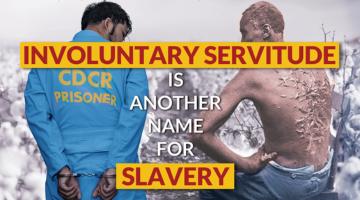 Dorsey Nunn joins us to discuss a proposed amendment to California’s state constitution, ACA 8, which aims to abolish involuntary servitude as a form of criminal punishment.
 Israel is crowing about rescuing four people held hostage and killing more than 200 Palestinians in the process. It is typical behavior for the apartheid state but all of the pressure it exerts can’t…
 This short history of the Workers Party of Jamaica (WPJ) demonstrates that there was a moment in time when a radical remaking of Jamaican society seemed possible.


