A Black Agenda Radio commentary by Glen Ford
African Americans have lost, by some measures, two generations of gains since the onset of the “Silent Depression” in the early 2000s. So profound is the decline, “nothing but the most wrenching and thorough social transformation – something like a revolution – offers any hope of eventual economic parity with whites.” But the “Obama Effect” convinces many Blacks that, despite the evidence, the African American condition has actually improved under Obama.” It is a fatal delusion.
The Real “Obama Effect” – Not the Movie
A Black Agenda Radio commentary by Glen Ford
“There is absolutely nothing on the horizon that would reverse the steady relative deterioration of the Black economic condition, absent massive, targeted government intervention.”
In the soon to be released movie “The Obama Effect
I’m sure the movie has a happy ending, but in the real life and history of Black people, “The Obama Effect” has been disastrous. Black economic progress is not just at an end; the African American economic condition has so deteriorated, nothing but the most wrenching and thorough social transformation – something like a revolution – offers any hope of eventual economic parity with whites.
The latest Census Bureau figures show that the median white household is now 22 times more wealthy
The gap has widened, since 2009, when whites registered only 20 times more wealth Silent Depression
“Last week’s numbers confirm once again that the Black condition is only getting worse.”
And now, almost four years after the Wall Street meltdown and President Obama’s election – and going on a decade since the Black Depression began in the early 2000s – African Americans are in even worse shape. There is absolutely nothing on the horizon that would reverse the steady relative deterioration of the Black economic condition, absent massive, targeted government intervention. The Republicans aren’t going to do that – and neither will President Obama, of his own volition. He avoids even the whiff of targeted federal intervention that might tend to favor Blacks. It’s against his philosophy, as he has repeatedly stated since the Spring of 2009, when Obama declared that a “rising tide” will lift all boats and that Blacks should not make special pleadings. Even when the Congress provided him with $6.7 billion targeted at those worst hit by the housing catastrophe – and the certainly means Black folks – Obama’s Treasury Department let most of the money sit there, unspent.
I would call Obama a fraud – except for the fact that Black folks mostly fooled themselves into believing that Obama’s success was their own. As a number of polls and studies have shown, even as Blacks were losing two generations of economic ground, large numbers of African Americans believed that the Black condition had dramatically improved The Obama Effect might have saved the fictitious Charles Dutton movie character’s life, but it’s made African Americans blind and deaf, seemingly incapable of putting up a fight. The real Obama Effect can destroy a people.
For Black Agenda Radio, I’m Glen Ford. On the web, go to BlackAgendaReport.com.
BAR executive editor Glen Ford can be contacted at Glen.Ford@BlackAgendaReport.com .

 The U.S. edges closer to hot war and continues aiding and abetting a genocide. Censorship and war propaganda are necessary tools when a rogue state chooses to silence its opponents.
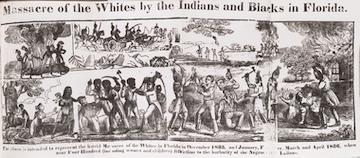 “The Seminoles had set a dangerous example, for if Blacks and Native Americans united everywhere in the Americas, then a genuine racial democracy might emerge.”
 The West’s dominant media tell us little about Hamas' history or ideology, relying instead on “terrorist” clichés. This new book cuts through them to explain.
 Rising prices and state repression prompt strikes and demonstrations.
 Hurricanes Helene and Milton are the result of a long legacy of segregation, environmental racism, and extraction. This white supremacist capitalist system has brought us to this point in our climate…


