Before the Crash: Whites Flood Back to New York
A Black Agenda Radio commentary by Glen Ford
Broadcasters and others wanting a downloadable MP3 copy of this commentary can get it at our Black Agenda Radio archive page.
"The gentrification wave was like a tsunami that only washed away the poor and working class, most of them Black and Latino."
The huge, speculative and - as everyone should have known - unsustainable housing and real estate bubble was such a powerful force for gentrification that, in New York City, it reversed a 60-year pattern of white flight. The white share of the Big Apple's population has been in decline at least since the 1940 Census. During the 1990s, about 360,000 whites left New York - more than a third of a million. But then came the housing bubble, a cruel and utterly ruthless mechanism that systematically removed Blacks and browns from Manhattan and neighborhoods convenient to Manhattan, to make way for those with money enough - or credit enough - to pay a million dollars for a small apartment, or rents exceeding the monthly take-home pay of previous residents. The gentrification wave was like a tsunami that only washed away the poor and working class, most of them Black and Latino. The Big Apple boosters celebrated a "renaissance," but for the cash- and credit-poor, it was an expulsion order: You can't live here anymore.
By 2007, according to the Census Bureau, 100,000 whites had moved to New York. The real Manhattan began to look like the mostly white, phony Manhattan of the TV show, "Friends." Whites increased to more than 35 percent of the population, while Black residency slid to less than 24 percent.
Black population in the city as a whole declined, not just in steadily whitening Manhattan, where for the first time Latino population shrank. The Black & Brown Removal Machine was at full tilt, pushing residents who had been New Yorkers for generations out to the no longer cheap, smaller cities of the region, and all the way back to Georgia and South Carolina and other places left long ago. Most of these exiles were not looking for a boom-town, but just a place where housing was affordable.
"The Black & Brown Removal Machine was at full tilt."
The real tale of the exodus is told in the numbers on housing costs. The proportion of households paying 30 percent or more of their income on a place to live went down in New York City and up in the suburbs. That means lower income people, who for decades struggled to hold on to their apartments in the facing of relentless rent pressures, finally broke, and moved to the suburbs where housing costs were also steadily rising, but not quite so brutally.
If it were not for rent stabilization laws - always under assault by the landlords - the entire working class of New York would be long-distance commuters, unable to live in the city where they work.
The demographic disruptions have been so dramatic in New York City - enough to reverse three generations of white decline - because Manhattan is the epicenter of finance capital, a class that is no longer capable of creating anything but bubbles that are bound to burst. Because of the racial dynamics of the United States, Blacks are disproportionately destabilized - physically displaced - in both stages of capitalist bubble-making: pushed out when the bubble expands, and left desolate when it bursts.
If Blacks are to find a stable home in the United States, we're going to have to get off this train. No more bubbles, no more Black & Brown Removal Machines.
For Black Agenda Radio, I'm Glen Ford.
BAR executive editor Glen Ford can be contacted at Glen.Ford@BlackAgendaReport.com.

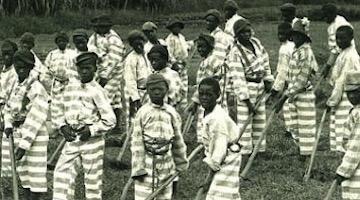 The ‘slavery clause’ made the passage of restrictions targeting Black people like the Black Codes possible as well as convict leasing of the late 19th century.
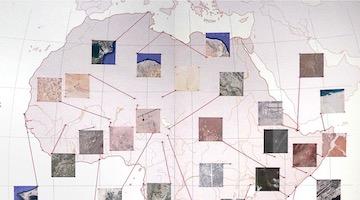 Neither the Organization of African Unity nor the African Union have been able to realize the two most important principles of pan-Africanism: political unity and territorial sovereignty.
 The author examines postwar violence through the activism of Afro-Nicaraguan women and men from the Caribbean coast of the country.
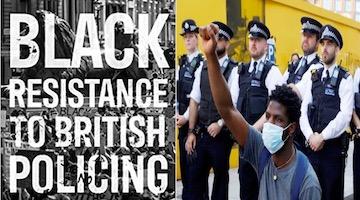 Historically, most of Britain’s policing hasn’t taken place on the British mainland – it has taken place in its colonies.
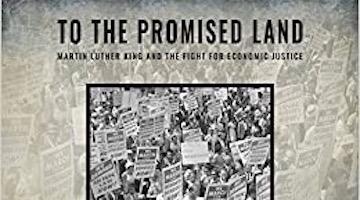 King said the best anti-poverty program is a union, where you can fight for your own agenda — somebody doesn’t have to hand it to you.



