
Related Stories
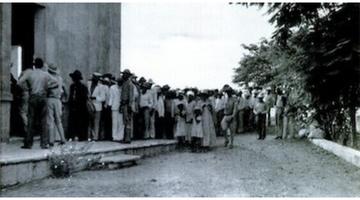
“Between October 2 and October 8, 1937, between 15,000 and 40,000 Haitians and Black Dominicans were slaughtered by Dominican troops…
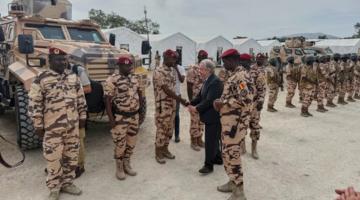
The UN's renewal of the Gang Suppression Force mandate is part of a wider hemispheric project to reassert military control across the Americas.
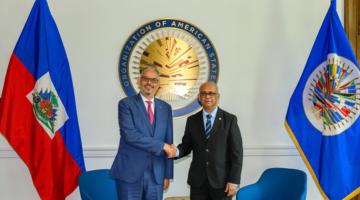
The armed groups in Haiti are not a spontaneous wave of banditry, but a scheme orchestrated by imperialist powers in concert with a reactionary
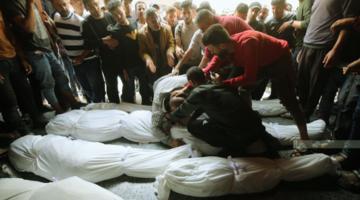
If international law and justice are buried in the rubble of Gaza, the global community will ultimately be digging its own grave.
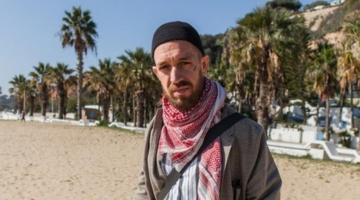
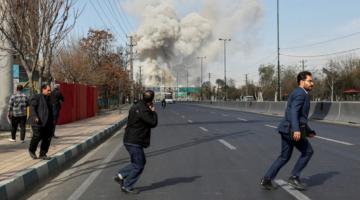
The demand to call out alleged crimes in Iran or Cuba while those countries face annihilation from the U.S.
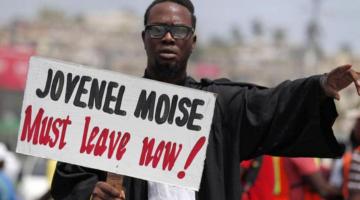
Responsibility for Haiti's deteriorating conditions does not rest on the Haitian masses.
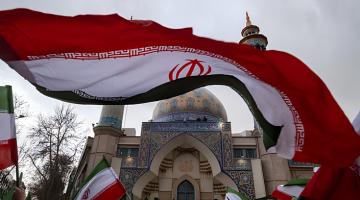
A People(s)-Centered Human Rights framework rejects the liberal abstraction that makes a false symmetry between Iranian authoritarianism and U.
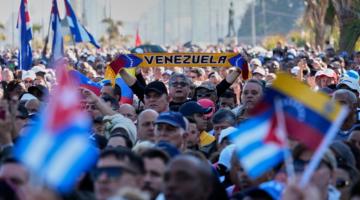
Siege, survival, and the dialectics of Venezuelan sovereignty.
More Stories
 Data fail to show that bail restrictions or any other reform fueled the spike in violence during the pandemic – but facts don’t matter to the corporate press
 The US clearly intends to justify yet another armed intervention in Africa in order to reinstate its former proxies in Ethiopia
 Miami serves as a heightened case to explore such contradictions as I look closely at tensions between African Americans, white Cubans, and Black Cubans.
 In typical critical analyses and progressive multiracial mobilizations Black suffering is acknowledged while antiblackness is negated
 Historian Elizabeth Hinton’s book reveals that, in the late sixties and early seventies, there were hundreds of local rebellions against white violence and racial inequality.



