
Related Stories
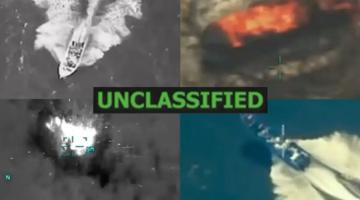
BOOM goes tuna and swordfish stuffed brown burlap bags aboardboats blown to smithereens. Presto! Fishing is now narco-trafficking.
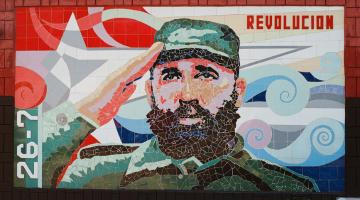
Empire taught us what to believe about the Global South.
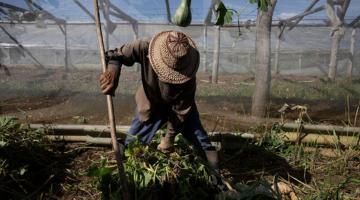
The Trump administration has already cut off Cuba’s access to oil.
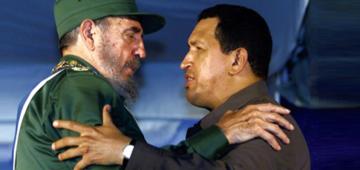
Cuba's leadership has chosen resistance over subordination as the blockade tightens, but Venezuela's sovereignty is being stripped away.
From the blockade of Cuba to the kidnapping of Venezuela's president, U.S.
Venezuela is not Iran or Cuba, but those nations teach us that sovereignty is not given but is obtained through resistance.
Memories of a sovereign Venezuela collide with the reality that it is now a U.S. vassal state.
Baba Akili and Thandiwe Abdullah returned from Havana with an eyewitness account of empty streets, failing hospitals and a people enduring the
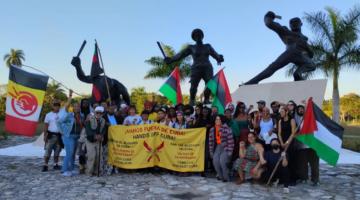
The House Ways and Means subpoenas against peace and justice organizations, paired with the State Department's designation of Cuba as the cente
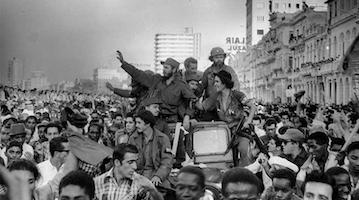
“In other words, people revolted against the system. But they did not know that the system was called capitalism.”
More Stories
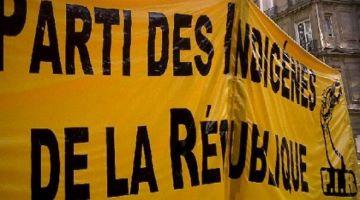 Houria Bouteldja and Youssef Boussoumah, co-founders of the Parti des Indigènes de la République in France, detail the party's history, the French anti-racist and anti-imperialist movement
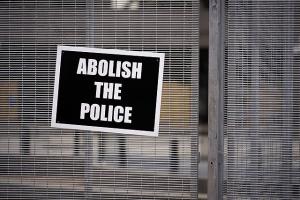 Police killings of Black people are a feature of American law enforcement and they are deliberately under counted.
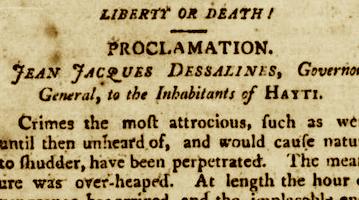 This proclamation by Jean Jacques Dessalines, the first leader of a free Haiti, is one of the most radical declarations of freedom in history.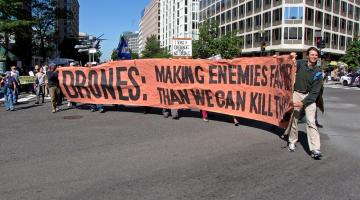
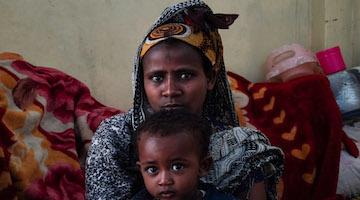 A displaced person in Ethiopia’s Amhara Region told photographer and human rights investigator Jemal Countess that he didn’t want to talk to him because he was American and “didn’t even want to



