
by Thomas C. Mountain
Eritrea, a small nation on the African coast of the Red Sea, is home to six million people speaking nine different languages. Despite punishing sanctions imposed by western imperialism, Eritrea has made sure that young people from all nine language groups can read and write in their Mother Tongue, so that their cultures will survive.
Preventing Cultural Genocide with the Mother Tongue Policy in Eritrea
by Thomas C. Mountain
“Many of the languages that remain are threatened because the children of these ethnic groups are not literate in their mother tongue.”
The small east African nation of Eritrea has implemented the Mother Tongue policy nationwide to prevent cultural genocide within its nine different ethnic groups.
This is done by educating all children in tribal environments in their mother tongue until literacy at grade 5. By making sure that the ethnic minorities learn to read and write in their mother tongue the Eritrean Government is making sure that their culture survives, as well, for without one’s language one cannot practice your culture.
Historically, destroying peoples’ mother tongue is the means used to carry out a policy of cultural genocide with many thousands of dialects having disappeared during the western colonial and neo colonial era. Today many of the languages that remain are threatened because the children of these ethnic groups are not literate in their mother tongue, which will almost inevitably leads to the loss of their identity, their language and their culture.
It hasn’t been easy for Eritrea, hammered by global warming droughts and economically disadvantaged due to western inflicted sanctions and embargoes. With nine tribes with nine languages, some of which have never had a written form, the challenge of implementing the Mother Tongue policy for all our tribes has been hard work.
It has been well over a decade that the policy has become the practice nationwide and the next generation of Eritrean youth from all our nine tribes are now literate in their mother tongue, a policy the whole world needs to adopt.
Thomas C. Mountain is an independent journalist in Eritrea, living and reporting from here since 2006. His speeches, interviews and articles can be seen on Facebook at thomascmountain and he can best be reached at thomascmountain at g mail dot com

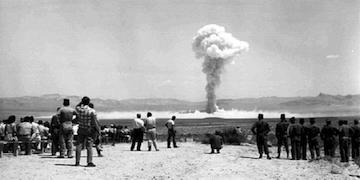 A reminder of when Accra was at the center of struggles against nuclear imperialism. African people have always been at the forefront of peace and sanity.
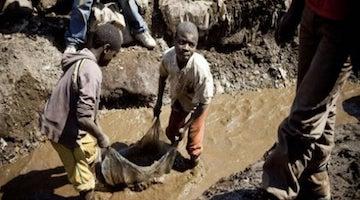 I spoke to Maurice Carney, Executive Director of Friends of the Congo, about the virtual slave labor in the cobalt mines of the Democratic Republic of the Congo’s cobalt mines.
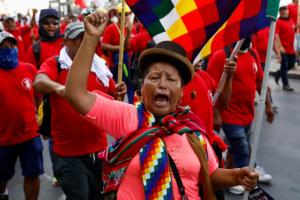 Seven months in, and in the face of brutal state repression, the people of Peru continue their struggle against the neoliberal dictatorship of the Boluarte coup regime.
 As part of the Black Agenda Report Book Forum, we interview scholars and activists about a recent article they’ve written for either an academic journal or popular publication. Sometimes we discuss…


