A Black Agenda Radio commentary by Glen Ford
Rwandan strongman Paul Kagame is threatening to withdraw his forces from United Nations peacekeeping operations if a UN report persists in blaming his army for massacres of Rwandan and Congolese Hutus. "The regime's defense is that it 'saved' millions from death in Rwanda, and then crossed into Congo to 'save' millions of Hutus there, too - presumably, from other Hutus.
Rwanda Scrambles to Deny UN Report on Massacres in Congo
A Black Agenda Radio commentary by Glen Ford
"Rwandan Tutsi rebels, attacking from Uganda, initiated the slaughter in Rwanda that left hundreds of thousands dead, and then invaded the neighboring Congo to exploit its mineral resources."
On October 1st the United Nations will officially release a report on massacres of Hutus in the Democratic Republic of Congo. The mass killings were alleged to have been carried out by the Rwandan army following Rwanda's invasion of Congo in the mid-Nineties. A draft of the report that was leaked to the press a month ago charged Rwanda with carrying out hundreds of mass killings of both Rwandan and Congolese Hutus - crimes that could rise to the level of genocide. The Rwanda Tutsi regime of General Paul Kagame then threatened to withdraw its forces from UN peacekeeping operations in Sudan, Liberia, Haiti and Chad. That prompted the UN Secretary General to allow a month for concerned nations to respond to the report.
The pro-government Rwandan press has been busy attacking the researchers who drew up the report as part of a mapping project to pinpoint the sites of military actions and massacres of civilians in Congo and Rwanda. Rwanda's media defendershave been especially frantic in their attacks on Christopher Black, whose article, "Who Was Behind the Rwandan Genocide?"was published in Black Agenda Report. Mr. Black is also a lawyer for a Hutu general on trial before the International Criminal Tribunal for Rwanda. Based largely on the UN's research into the times, places and victims of mass murder in Rwanda and Congo, Mr. Black concludes that Rwandan Tutsi rebels, attacking from Uganda, initiated the slaughter in Rwanda that left hundreds of thousands dead, and then invaded the neighboring Congo to exploit its mineral resources.
"Uganda and Rwanda coordinated their invasion of the Congo with their military and political ally, the United States, for the benefit of multinational mining corporations."
Black's version of the conflict gives context to the UN's report that Rwanda's Tutsi army in the Congo slaughtered Hutu civilians, both Rwandan Hutu refugees and native Congolese Hutu. And he further charges that Uganda and Rwanda coordinated their invasion of the Congo with their military and political ally, the United States, for the benefit of multinational mining corporations. Black says he is in possession of a letter from Rwandan strongman Paul Kagame that shows Kagame's ultimate objective in seizing power in Rwanda in 1994 was to invade the mineral-rich Congo. The Hutu refugees that fled Kagame's forces into the eastern Congo, and the native Hutu Congolese population, got in the way, and were massacred.
The pro-government Rwandan press dismisses the Kagame letter as a "fabrication," and contend that the UN researchers that documented the massacres of Hutus are aligned with lawyers for Rwandan Hutus charged with war crimes.
The regime's defense remains that it "saved" millions from death in Rwanda, and then crossed into Congo to "save" millions of Hutus there, too - presumably, from other Hutus. Yet researchers have found that three and a half million "excessive deaths" occurred in Congo after Kagame's invasion. I suppose we are to believe that these must have been people that Kagame's army couldn't "save," most of them Congolese.
In a few days we will find out if the United Nations has weakened its report on Rwanda's killings in the Congo, in order to mollify Paul Kagame's government. That would not be surprising, since UN researchers have been reporting the massacres to their bosses for years, with no effect.
For Black Agenda Radio, I'm Glen Ford. On the web, go to www.BlackAgendaReport.com.
BAR executive editor Glen Ford can be contacted at Glen.Ford@BlackAgendaReportcom.

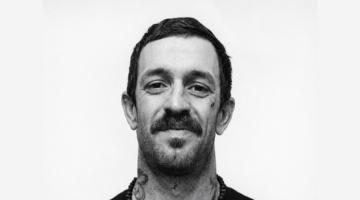 Fergie Chambers is an American philanthropist who was arrested on July 10 in Ibiza, Spain, by order of the Trump Administration.
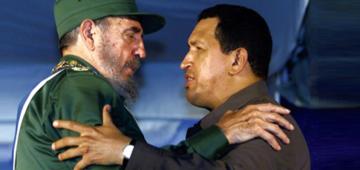 Cuba's leadership has chosen resistance over subordination as the blockade tightens, but Venezuela's sovereignty is being stripped away.
 In this week’s segment, we hear about the crisis in northwest Indiana, including the city of Gary, where some residents have gone more than two weeks without power after a storm. As in the rest of…
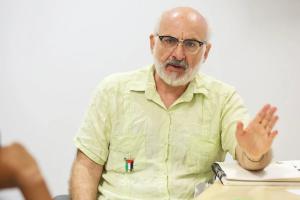 Our guest is Sam Husseini. He’s a veteran independent journalist and senior analyst at the Institute for Public Accuracy. He is now running for Congress in Maryland’s 4th district as a Green Party…
 Akili Shakur is a revolutionary activist and the wife of political prisoner Shaka Shakur. She joins us from Gary, Indiana, where some residents have been without power for more than two weeks after…


